ggplot2 turns your summarized qPCR data into publication-ready figures in a dozen lines of code. Here is how to build dot plots, bar charts, and multi-panel figures — and export them at 300 dpi without touching GraphPad.
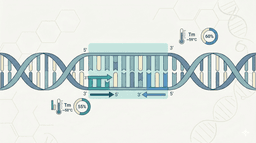
A practical guide to designing PCR primers that work — covering the rules every bench scientist should know, plus an honest comparison of the best free web tools.
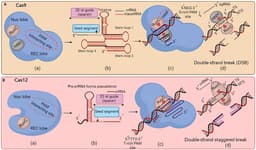
SpCas9 dominates CRISPR, but it has real constraints. Cas12a uses a T-rich PAM, cuts in a staggered fashion, processes its own guide RNAs, and opens up AT-rich targets Cas9 cannot reach. This post covers the full Cas12 family, the Cas12a mechanism, and a complete head-to-head comparison to help you choose the right tool.
dplyr turns data wrangling from a click-and-copy nightmare into five readable lines of code. Here is how to filter, summarize, and reshape your qPCR data without touching Excel.
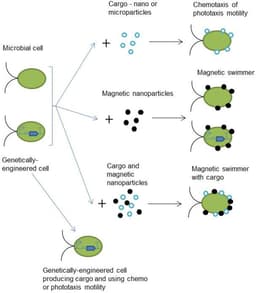
Scientists are building cells that interface with electronics, nanomaterials, and synthetic gene circuits. Here is what cyborg cells are, how they work, and why bench biologists are starting to encounter them.