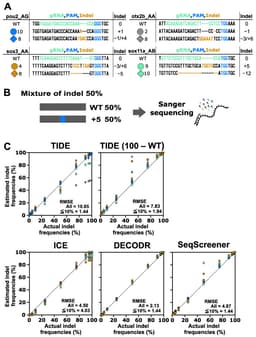
T7E1 tells you if CRISPR worked. TIDE and ICE tell you how well. This post explains how both tools deconvolve your Sanger sequencing trace into a real editing percentage — no NGS required.
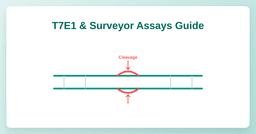
Mismatch-cleavage assays are the quickest and cheapest way to see if your CRISPR edit actually worked. This guide breaks down the mechanism of T7E1 and Surveyor nucleases, why the "denature and re-anneal" step is critical, and how to turn gel bands into an editing percentage.
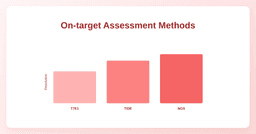
You’ve made your edit, but how much of it is actually there? This post compares the three most common ways to measure CRISPR on-target efficiency—from the "quick and dirty" T7E1 gel assay to the high-resolution precision of Amplicon NGS.
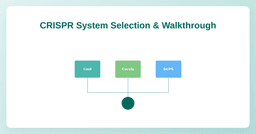
You have a gene to edit. Should you use Cas9, Cas12a, or a Base Editor? This capstone post walks you through the entire workflow—from choosing the right molecular "scissors" for your target to designing and validating your final guides.
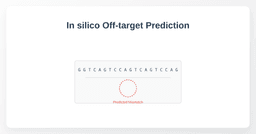
Choosing a guide RNA that cuts your target is only half the battle. You also need one that doesn’t cut anywhere else. This post breaks down the MIT and CFD scoring systems, how off-target algorithms actually work, and which tools are best for predicting Cas9 and Cas12a off-targets.