BioTech Bench
HomeLearning PathsCategoriesResourcesShopAbout

Gene-editing

Browse by topic
  • bioinformatics (33)
  • how-to (27)
  • r (20)
  • crispr (19)
  • r-series (18)
  • gene-editing (16)
  • beginner (15)
  • crispr-series (14)
  • tool-review (12)
  • intermediate (10)
  • rna-seq (10)
  • molecular-biology (7)
  • ai (4)
  • explainer (4)
  • free-tools (4)
  • learning (4)
  • sequencing (3)
  • protein-design (2)
  • trends (2)
  • ngs (2)
  • open-source (2)
  • python (2)
  • statistics (2)
  • pcr (2)
  • esm3 (1)
  • alphafold3 (1)
  • protein-structure (1)
  • bash (1)
  • command-line (1)
  • lab-software (1)
  • scientific-illustration (1)
  • conda (1)
  • synthetic-biology (1)
  • bioelectronics (1)
  • nanotechnology (1)
  • off-target (1)
  • reviewing (1)
  • bench-biologist (1)
  • nanopore (1)
  • pacbio (1)
  • cloning (1)
  • drug-discovery (1)
  • career (1)
  • biology (1)
All Posts
  • bioinformatics (33)
  • how-to (27)
  • r (20)
  • crispr (19)
  • r-series (18)
  • gene-editing (16)
  • beginner (15)
  • crispr-series (14)
  • tool-review (12)
  • intermediate (10)
  • rna-seq (10)
  • molecular-biology (7)
  • ai (4)
  • explainer (4)
  • free-tools (4)
  • learning (4)
  • sequencing (3)
  • protein-design (2)
  • trends (2)
  • ngs (2)
  • open-source (2)
  • python (2)
  • statistics (2)
  • pcr (2)
  • esm3 (1)
  • alphafold3 (1)
  • protein-structure (1)
  • bash (1)
  • command-line (1)
  • lab-software (1)
  • scientific-illustration (1)
  • conda (1)
  • synthetic-biology (1)
  • bioelectronics (1)
  • nanotechnology (1)
  • off-target (1)
  • reviewing (1)
  • bench-biologist (1)
  • nanopore (1)
  • pacbio (1)
  • cloning (1)
  • drug-discovery (1)
  • career (1)
  • biology (1)
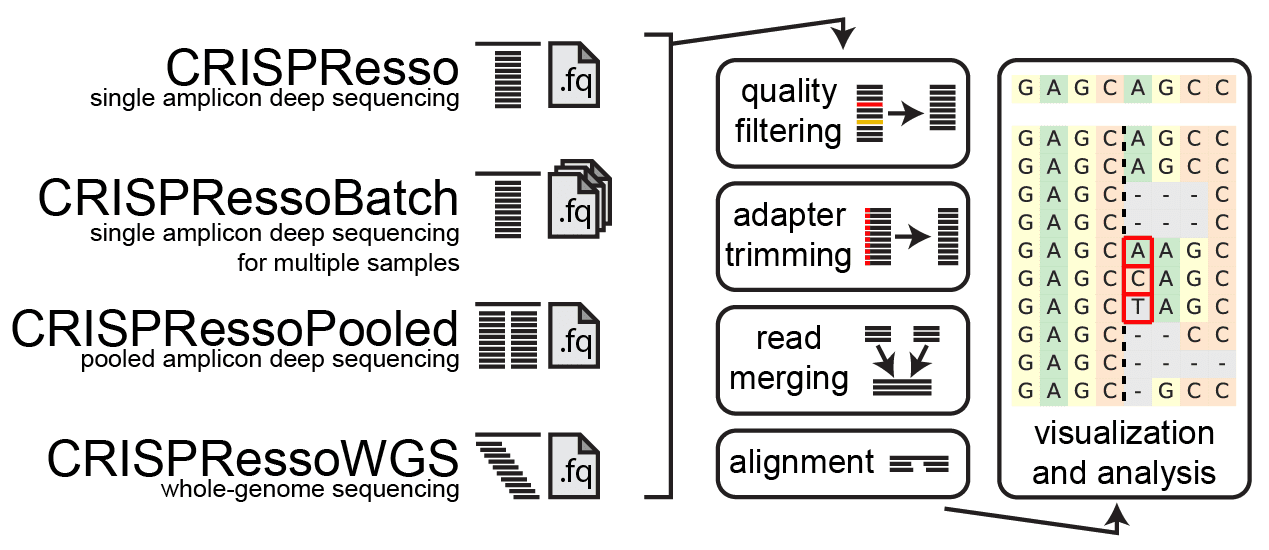
  • CRISPResso2: the standard tool for CRISPR NGS analysis (full tutorial)
    Published on
    November 10, 2026

    CRISPResso2: the standard tool for CRISPR NGS analysis (full tutorial)

    crispr-seriescrisprgene-editingbioinformaticshow-to
    Your amplicon FASTQ files are back from the sequencer, and the default CRISPResso2 numbers are already lying to you about your HDR and base editing rates. Here is how to run CRISPResso2 properly from raw paired-end reads to publication-ready allele tables.
  • AI Is Now Designing CRISPR Enzymes That Nature Never Made
    Published on
    September 29, 2026

    AI Is Now Designing CRISPR Enzymes That Nature Never Made

    crisprAIgene-editingprotein-designtrendsexplainer
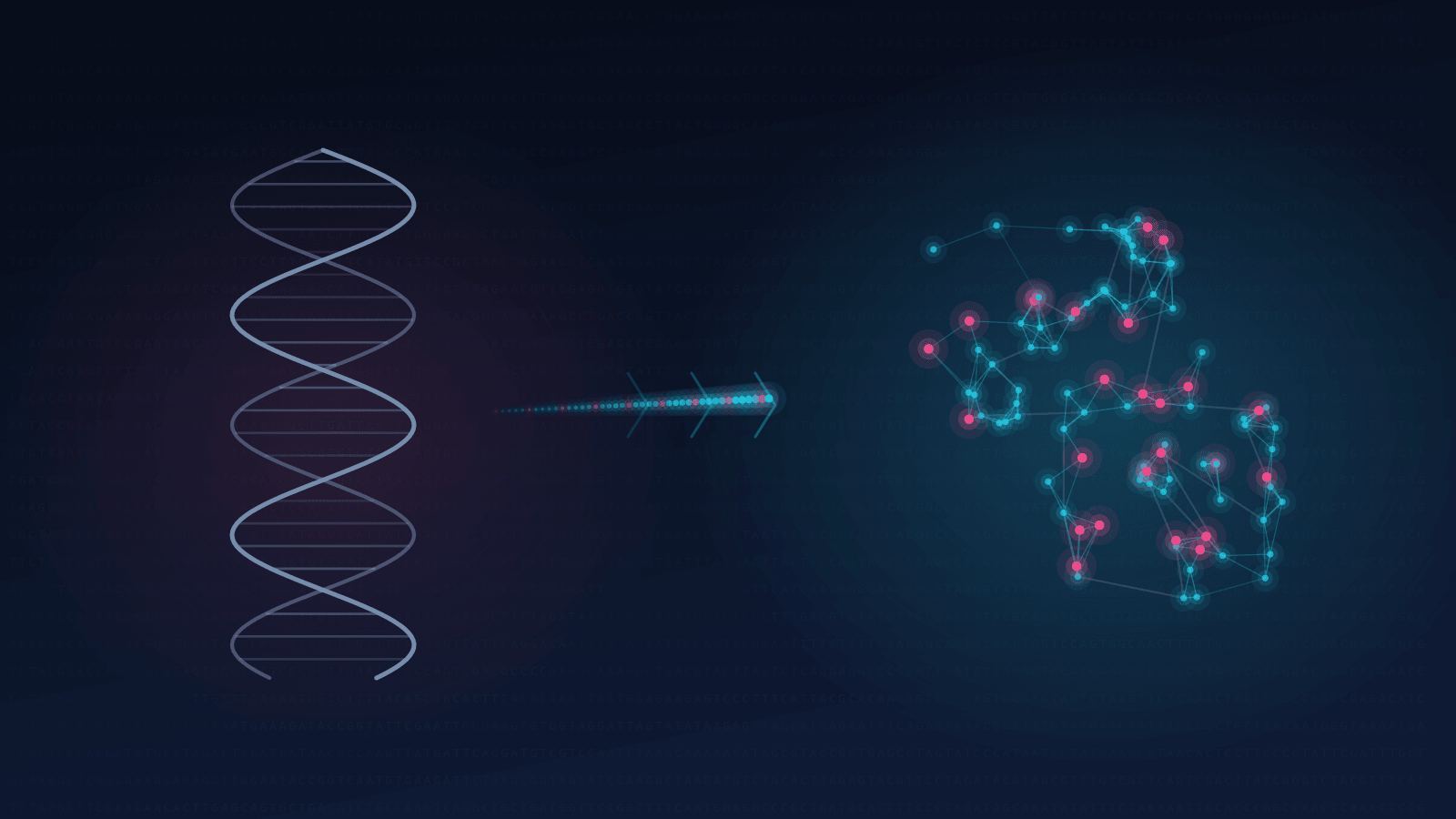
    For thirteen years, every CRISPR tool in your freezer was mined from a microbe. In 2025 and 2026, two papers changed that — AI-generated editors that work in human cells and, in one case, outperform the natural enzyme. Here is what the data actually shows, and what it means for your bench.
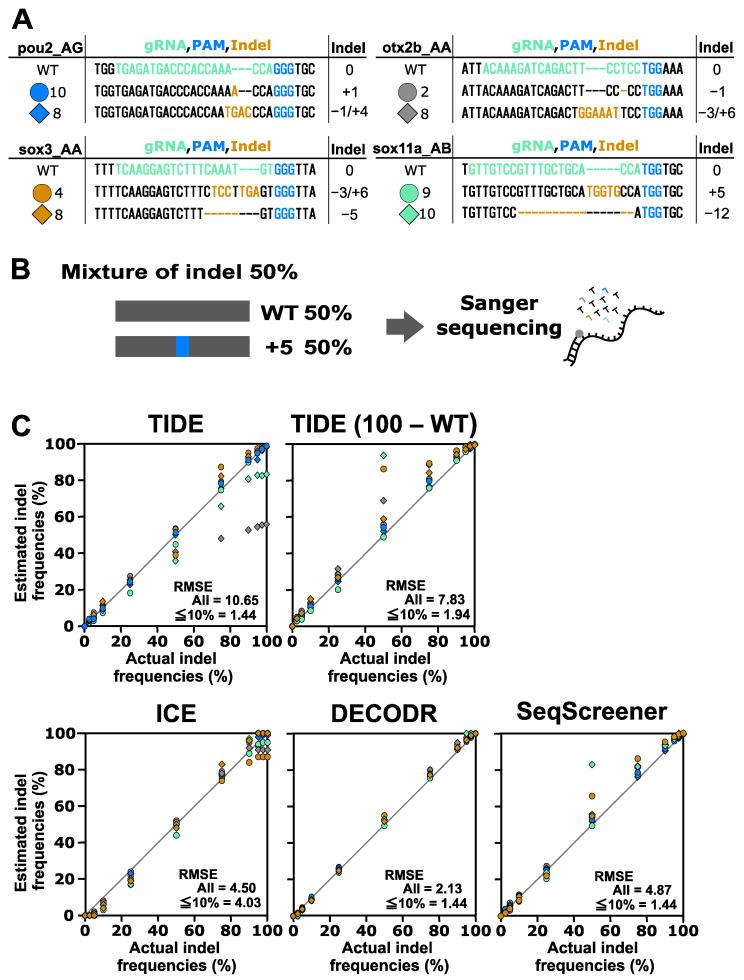
  • Sanger + TIDE/ICE: quantifying CRISPR editing without NGS
    Published on
    May 7, 2026

    Sanger + TIDE/ICE: quantifying CRISPR editing without NGS

    crispr-seriescrisprgene-editingbeginnerhow-to
    T7E1 tells you if CRISPR worked. TIDE and ICE tell you how well. This post explains how both tools deconvolve your Sanger sequencing trace into a real editing percentage — no NGS required.
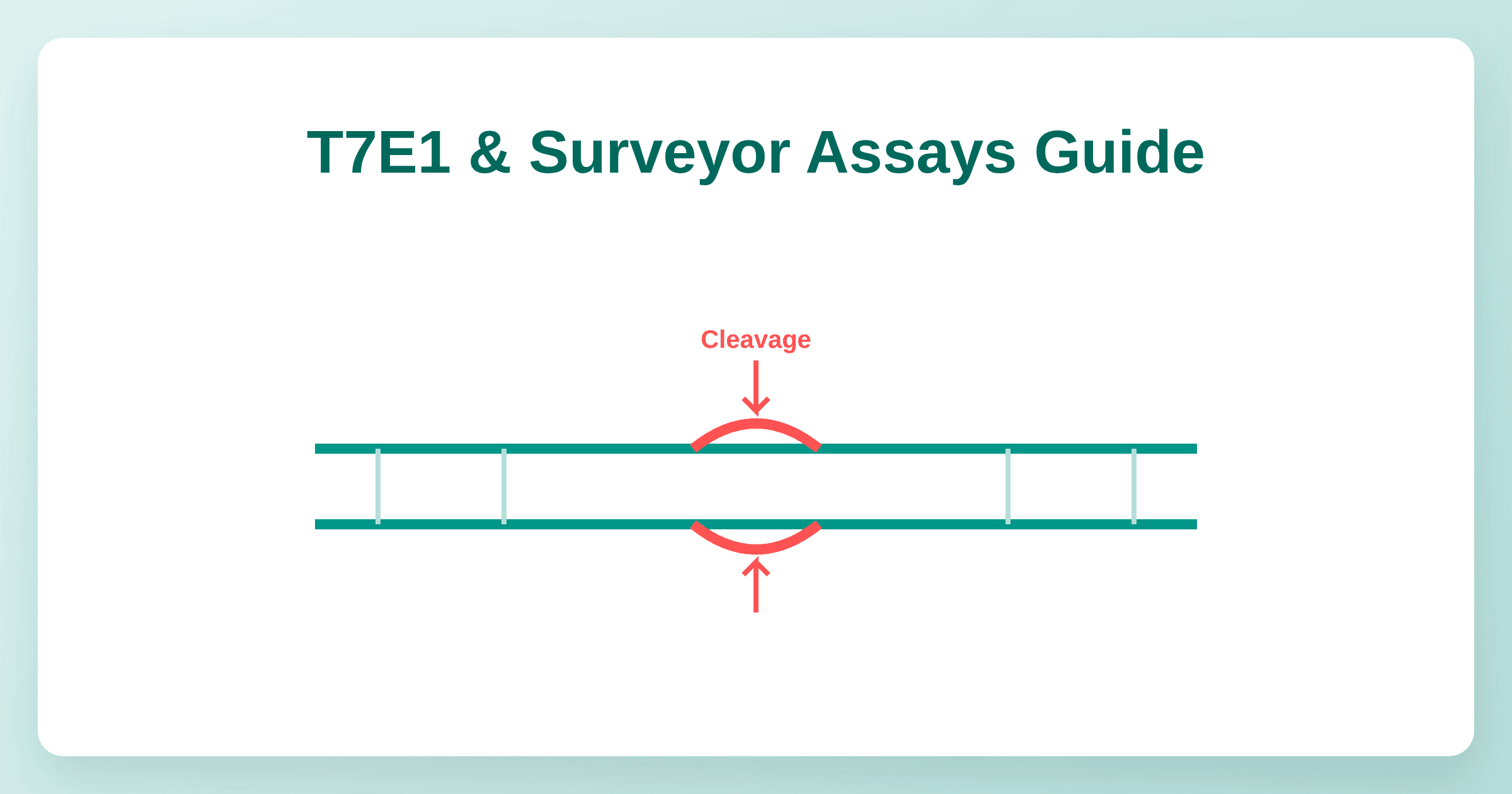
  • T7E1 and Surveyor assays: how they work, their limits, and how to interpret results
    Published on
    April 30, 2026

    T7E1 and Surveyor assays: how they work, their limits, and how to interpret results

    crispr-seriescrisprgene-editingbeginnerhow-to
    Mismatch-cleavage assays are the quickest and cheapest way to see if your CRISPR edit actually worked. This guide breaks down the mechanism of T7E1 and Surveyor nucleases, why the "denature and re-anneal" step is critical, and how to turn gel bands into an editing percentage.
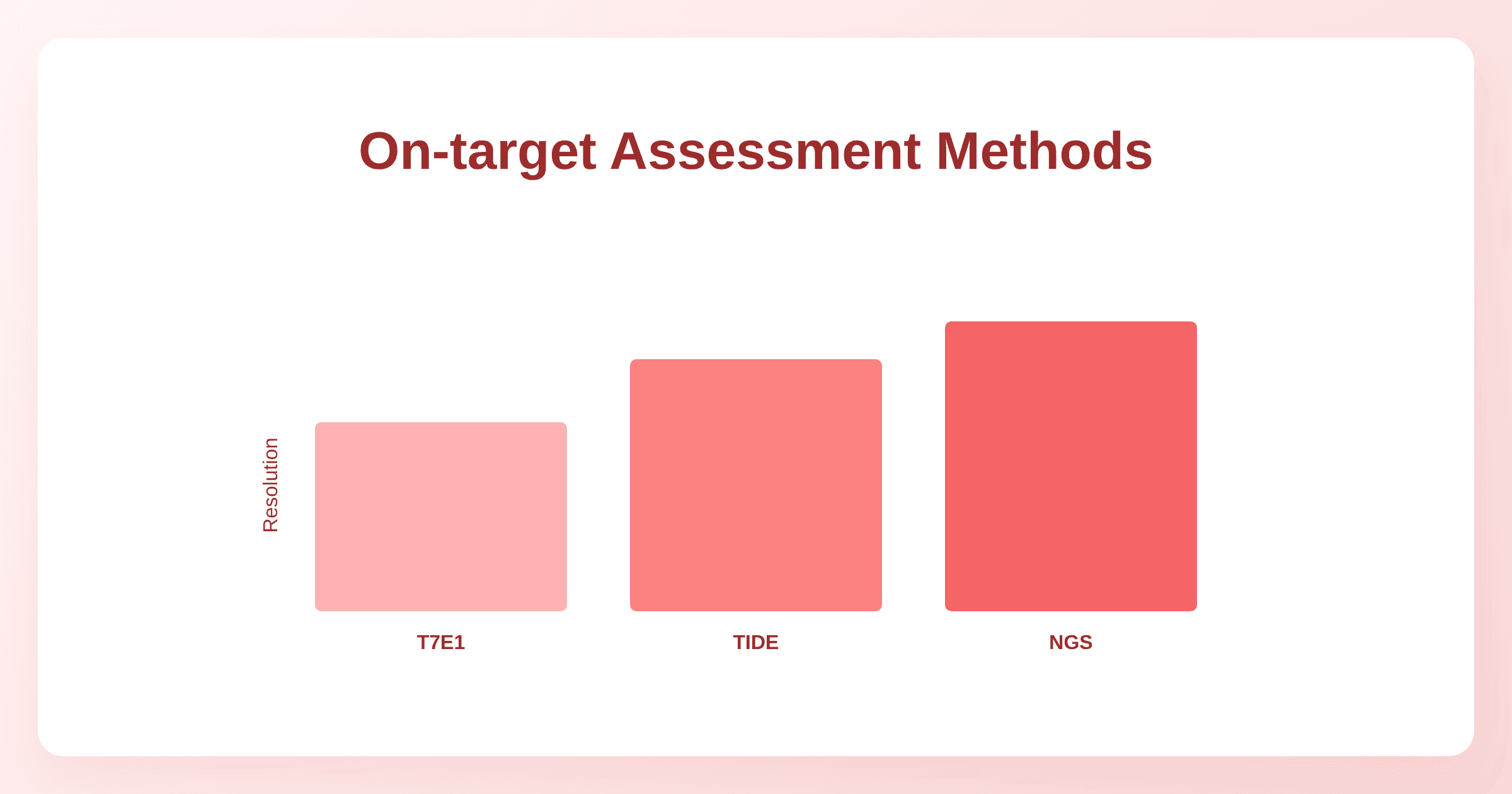
  • On-target assessment methods compared: T7E1, TIDE, and amplicon NGS
    Published on
    April 23, 2026

    On-target assessment methods compared: T7E1, TIDE, and amplicon NGS

    crispr-seriescrisprgene-editingintermediate
    You’ve made your edit, but how much of it is actually there? This post compares the three most common ways to measure CRISPR on-target efficiency—from the "quick and dirty" T7E1 gel assay to the high-resolution precision of Amplicon NGS.
1 of 4Next
mailMail
Support us on Ko-fi
BioTech Bench
•
© 2026
About & Editorial Standards·Resources·Sponsor·Privacy Policy
Made with ❤️love and ☕