BioTech Bench
HomeLearning PathsCategoriesResourcesShopAbout

Intermediate

Browse by topic
  • bioinformatics (33)
  • how-to (27)
  • r (20)
  • crispr (19)
  • r-series (18)
  • gene-editing (16)
  • beginner (15)
  • crispr-series (14)
  • tool-review (12)
  • intermediate (10)
  • rna-seq (10)
  • molecular-biology (7)
  • ai (4)
  • explainer (4)
  • free-tools (4)
  • learning (4)
  • sequencing (3)
  • protein-design (2)
  • trends (2)
  • ngs (2)
  • open-source (2)
  • python (2)
  • statistics (2)
  • pcr (2)
  • esm3 (1)
  • alphafold3 (1)
  • protein-structure (1)
  • bash (1)
  • command-line (1)
  • lab-software (1)
  • scientific-illustration (1)
  • conda (1)
  • synthetic-biology (1)
  • bioelectronics (1)
  • nanotechnology (1)
  • off-target (1)
  • reviewing (1)
  • bench-biologist (1)
  • nanopore (1)
  • pacbio (1)
  • cloning (1)
  • drug-discovery (1)
  • career (1)
  • biology (1)
All Posts
  • bioinformatics (33)
  • how-to (27)
  • r (20)
  • crispr (19)
  • r-series (18)
  • gene-editing (16)
  • beginner (15)
  • crispr-series (14)
  • tool-review (12)
  • intermediate (10)
  • rna-seq (10)
  • molecular-biology (7)
  • ai (4)
  • explainer (4)
  • free-tools (4)
  • learning (4)
  • sequencing (3)
  • protein-design (2)
  • trends (2)
  • ngs (2)
  • open-source (2)
  • python (2)
  • statistics (2)
  • pcr (2)
  • esm3 (1)
  • alphafold3 (1)
  • protein-structure (1)
  • bash (1)
  • command-line (1)
  • lab-software (1)
  • scientific-illustration (1)
  • conda (1)
  • synthetic-biology (1)
  • bioelectronics (1)
  • nanotechnology (1)
  • off-target (1)
  • reviewing (1)
  • bench-biologist (1)
  • nanopore (1)
  • pacbio (1)
  • cloning (1)
  • drug-discovery (1)
  • career (1)
  • biology (1)
  • A complete statistical analysis of a public dataset in R: GEO walkthrough
    Published on
    April 28, 2026

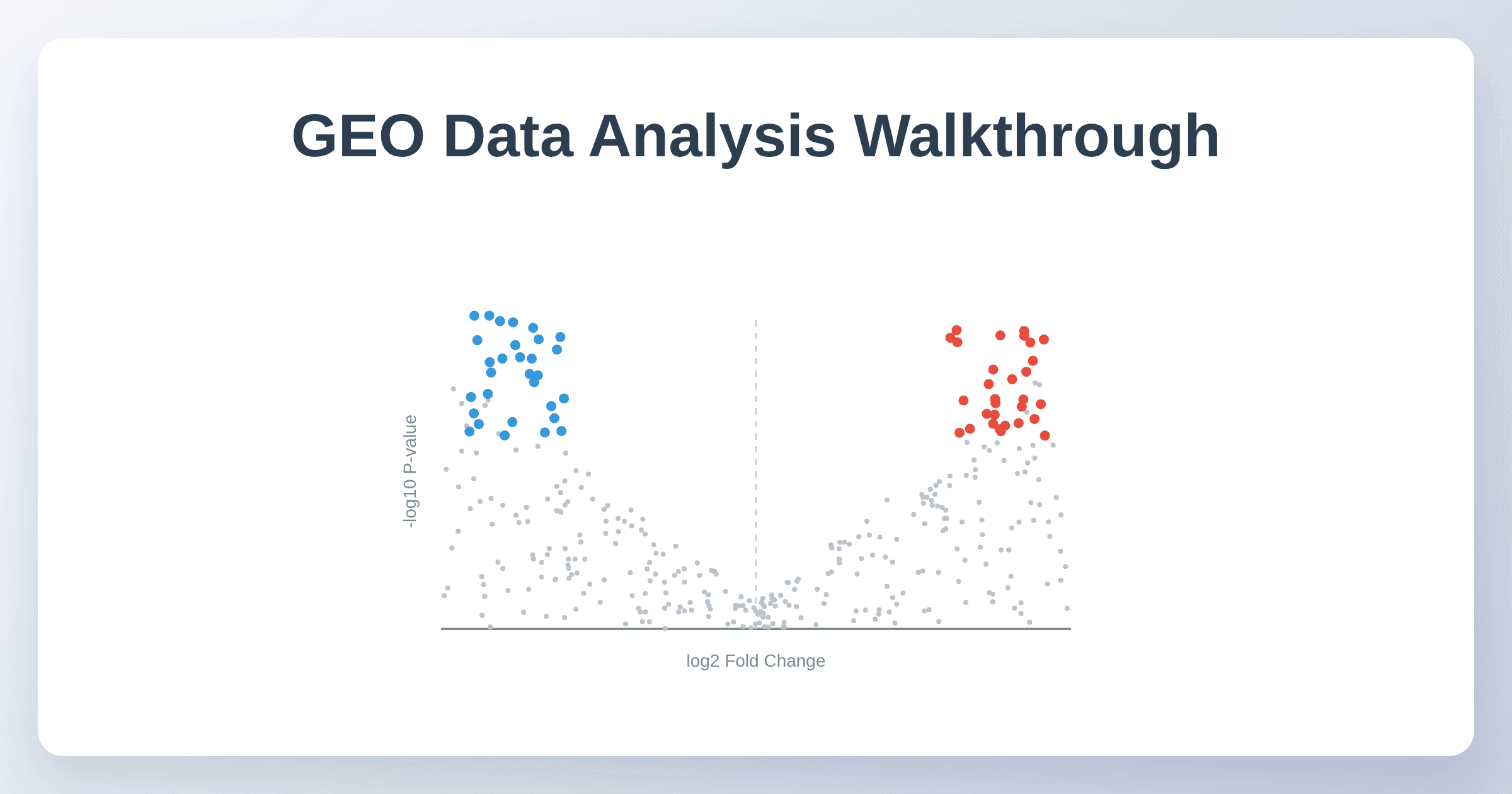
    A complete statistical analysis of a public dataset in R: GEO walkthrough

    how-toRbioinformaticsr-seriesrna-seqintermediate
    We’ve covered downloading data, normalization, and visualization. Now, we put it all together. This capstone post walks through a complete end-to-end analysis of a public breast cancer dataset (GSE183947) — from raw GEO download to identifying differentially expressed genes and creating a publication-ready volcano plot.
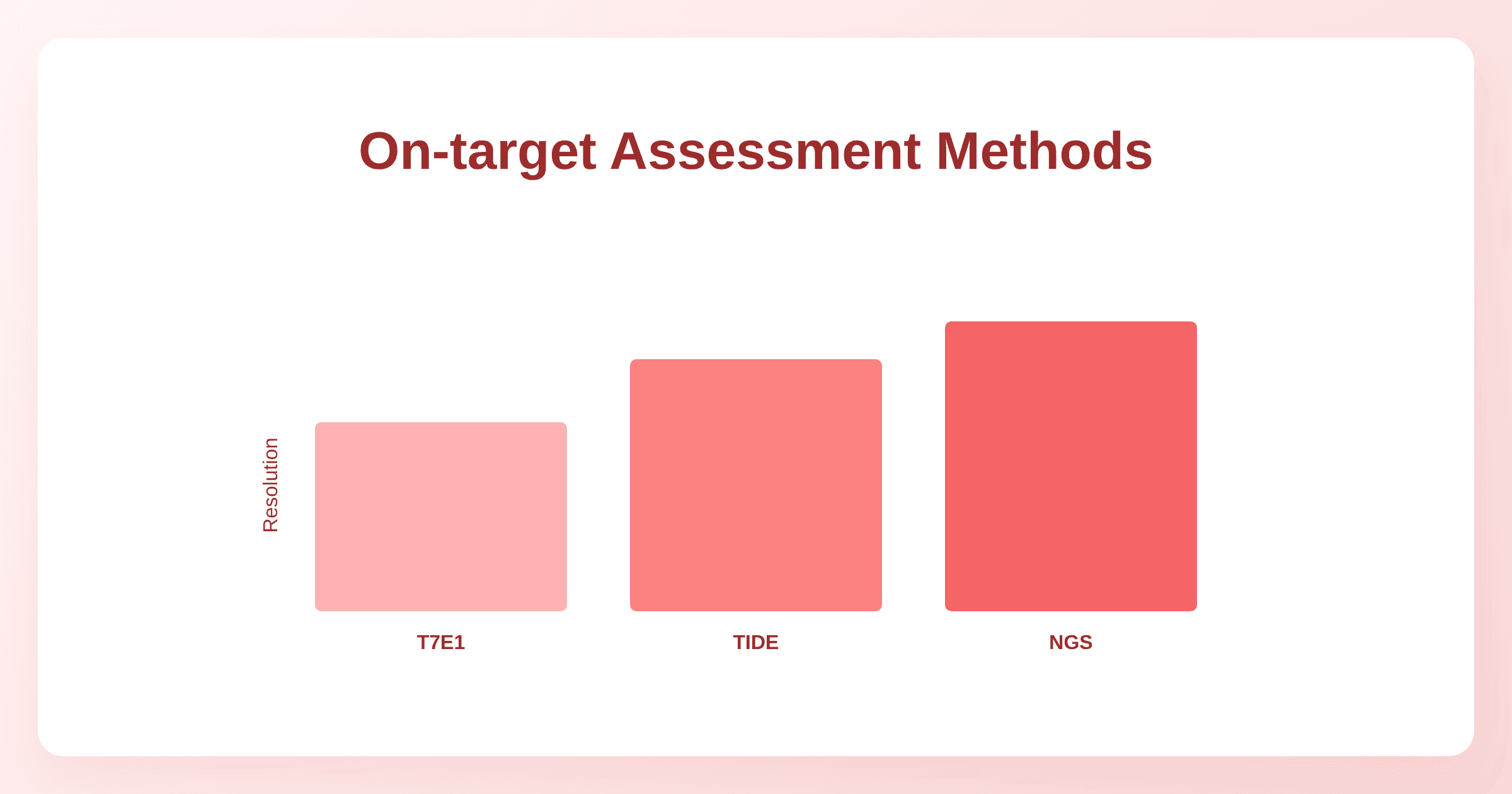
  • On-target assessment methods compared: T7E1, TIDE, and amplicon NGS
    Published on
    April 23, 2026

    On-target assessment methods compared: T7E1, TIDE, and amplicon NGS

    crispr-seriescrisprgene-editingintermediate
    You’ve made your edit, but how much of it is actually there? This post compares the three most common ways to measure CRISPR on-target efficiency—from the "quick and dirty" T7E1 gel assay to the high-resolution precision of Amplicon NGS.
  • Choosing your CRISPR system and designing validated guides: an end-to-end walkthrough
    Published on
    April 16, 2026

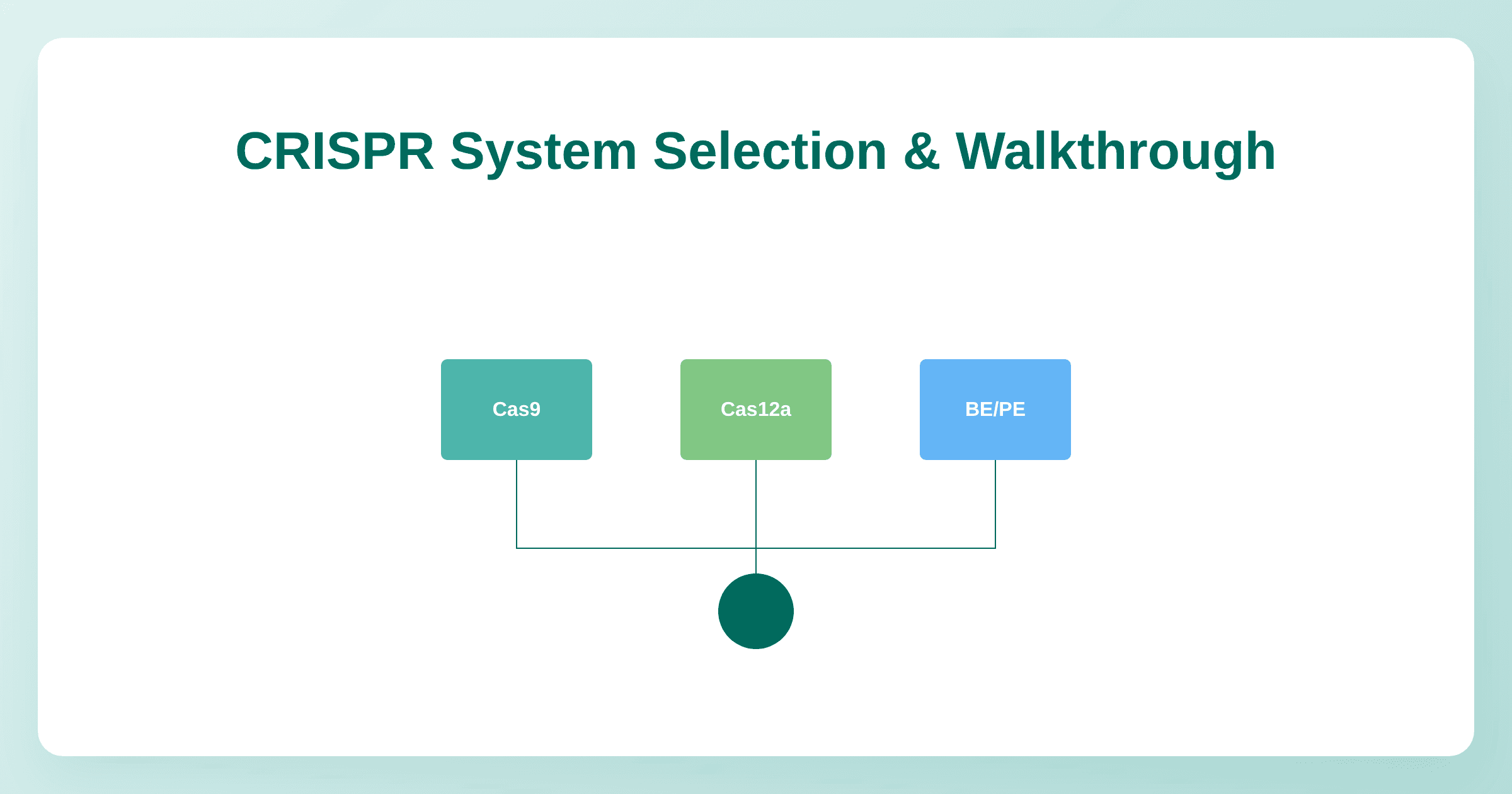
    Choosing your CRISPR system and designing validated guides: an end-to-end walkthrough

    crispr-seriescrisprgene-editingintermediatehow-to
    You have a gene to edit. Should you use Cas9, Cas12a, or a Base Editor? This capstone post walks you through the entire workflow—from choosing the right molecular "scissors" for your target to designing and validating your final guides.
  • In silico off-target prediction: how the algorithms work and which tools to trust
    Published on
    April 9, 2026

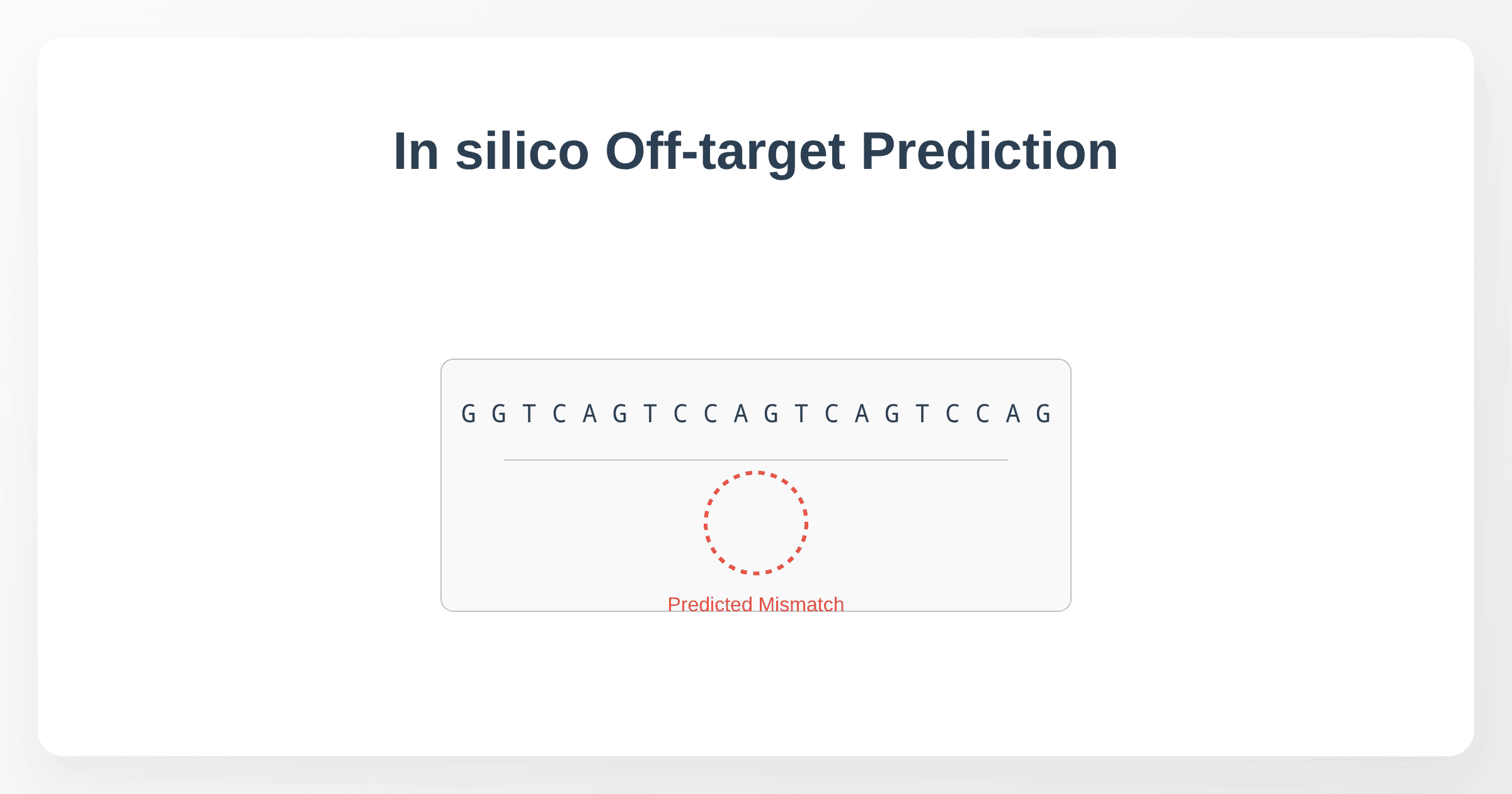
    In silico off-target prediction: how the algorithms work and which tools to trust

    crispr-seriescrisprgene-editingintermediatetool-review
    Choosing a guide RNA that cuts your target is only half the battle. You also need one that doesn’t cut anywhere else. This post breaks down the MIT and CFD scoring systems, how off-target algorithms actually work, and which tools are best for predicting Cas9 and Cas12a off-targets.
  • Designing pegRNAs for prime editing: principles and tools
    Published on
    April 2, 2026

    Designing pegRNAs for prime editing: principles and tools

    crispr-seriescrisprgene-editingintermediatetool-review
    pegRNA design has five parameters that each affect prime editing efficiency. Here are the principles behind PBS length, RT template, nick distance, and secondary structure — then how to apply them in PrimeDesign.
1 of 2Next
mailMail
Support us on Ko-fi
BioTech Bench
•
© 2026
About & Editorial Standards·Resources·Sponsor·Privacy Policy
Made with ❤️love and ☕