BioTech Bench
HomeLearning PathsCategoriesResourcesShopAbout

Tool-review

Browse by topic
  • bioinformatics (33)
  • how-to (27)
  • r (20)
  • crispr (19)
  • r-series (18)
  • gene-editing (16)
  • beginner (15)
  • crispr-series (14)
  • tool-review (12)
  • intermediate (10)
  • rna-seq (10)
  • molecular-biology (7)
  • ai (4)
  • explainer (4)
  • free-tools (4)
  • learning (4)
  • sequencing (3)
  • protein-design (2)
  • trends (2)
  • ngs (2)
  • open-source (2)
  • python (2)
  • statistics (2)
  • pcr (2)
  • esm3 (1)
  • alphafold3 (1)
  • protein-structure (1)
  • bash (1)
  • command-line (1)
  • lab-software (1)
  • scientific-illustration (1)
  • conda (1)
  • synthetic-biology (1)
  • bioelectronics (1)
  • nanotechnology (1)
  • off-target (1)
  • reviewing (1)
  • bench-biologist (1)
  • nanopore (1)
  • pacbio (1)
  • cloning (1)
  • drug-discovery (1)
  • career (1)
  • biology (1)
All Posts
  • bioinformatics (33)
  • how-to (27)
  • r (20)
  • crispr (19)
  • r-series (18)
  • gene-editing (16)
  • beginner (15)
  • crispr-series (14)
  • tool-review (12)
  • intermediate (10)
  • rna-seq (10)
  • molecular-biology (7)
  • ai (4)
  • explainer (4)
  • free-tools (4)
  • learning (4)
  • sequencing (3)
  • protein-design (2)
  • trends (2)
  • ngs (2)
  • open-source (2)
  • python (2)
  • statistics (2)
  • pcr (2)
  • esm3 (1)
  • alphafold3 (1)
  • protein-structure (1)
  • bash (1)
  • command-line (1)
  • lab-software (1)
  • scientific-illustration (1)
  • conda (1)
  • synthetic-biology (1)
  • bioelectronics (1)
  • nanotechnology (1)
  • off-target (1)
  • reviewing (1)
  • bench-biologist (1)
  • nanopore (1)
  • pacbio (1)
  • cloning (1)
  • drug-discovery (1)
  • career (1)
  • biology (1)
  • The free wet-lab software stack: open-source replacements for GraphPad Prism, SnapGene, FlowJo, and BioRender
    Published on
    November 10, 2026

    The free wet-lab software stack: open-source replacements for GraphPad Prism, SnapGene, FlowJo, and BioRender

    tool-reviewfree-toolsopen-sourceRpythonmolecular-biology
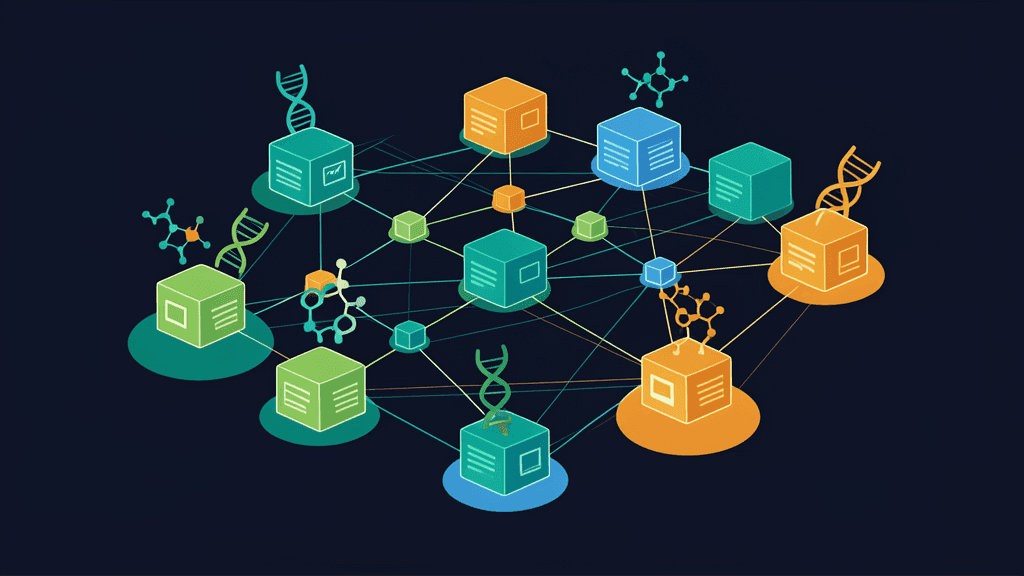
    A five-person molecular biology lab easily spends $6,000 a year on per-seat subscriptions for Prism, SnapGene, FlowJo, and BioRender. I tested the free, open-source replacements on real bench data — from 4PL IC50 curves and diagnostic digests to FCS gating — and looked honestly at where the free stack wins and where it still hurts.
  • OpenCloning: the free, open-source tool that documents how your plasmid was actually built
    Published on
    November 9, 2026

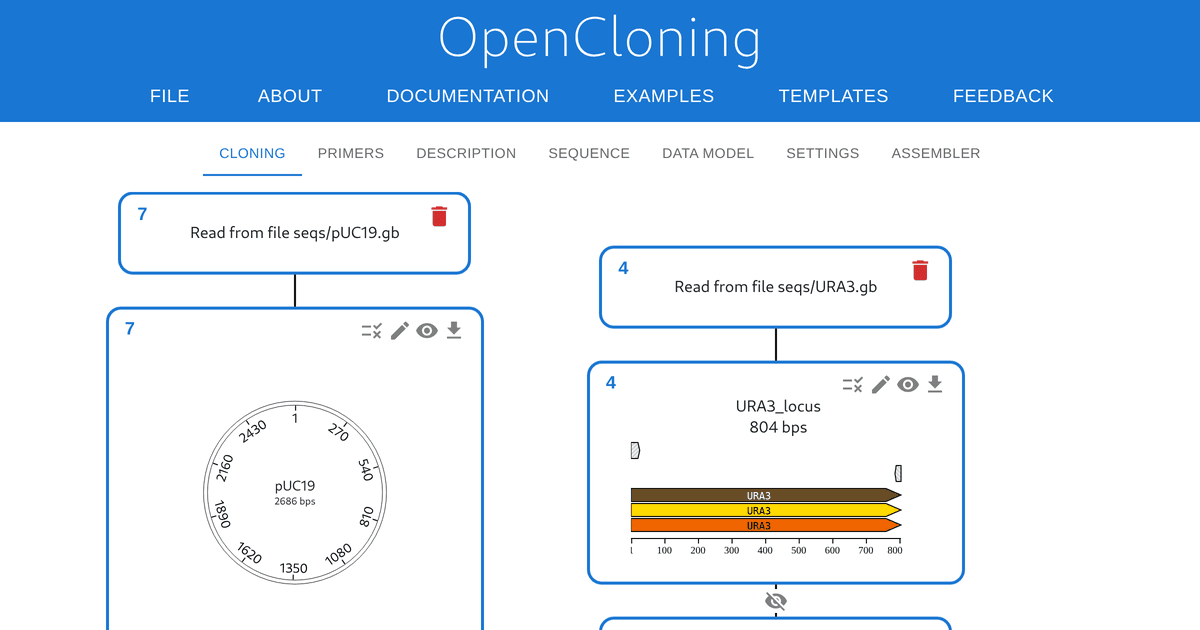
    OpenCloning: the free, open-source tool that documents how your plasmid was actually built

    tool-reviewmolecular-biologycloningfree-toolsopen-source
    A free, MIT-licensed web app that treats your cloning history — not just the final map — as the thing worth saving. I ran it self-hosted, cloned URA3 into pUC19 from a Python script, and looked hard at where it falls short of SnapGene and Benchling.
  • BenchOS: a free, self-hosted lab operating system for molecular and structural biology
    Published on
    July 30, 2026

    BenchOS: a free, self-hosted lab operating system for molecular and structural biology

    tool-reviewlab-softwaremolecular-biologyfree-tools
    A Harvard structural biology lab just open-sourced the software it runs its own bench on — notebook, registry, cryo-EM grid tracking, and an AI agent, all self-hosted under AGPL. I installed it and ran it. Here is what actually works, and what you should know before trusting it with your lab records.
  • Conda for biologists: managing bioinformatics environments without losing your mind
    Published on
    June 28, 2026

    Conda for biologists: managing bioinformatics environments without losing your mind

    how-tocondabioinformaticsbeginnertool-review
    You installed samtools and it broke your entire Python setup. Or DESeq2 needs R 4.3 but your system has R 4.1. Here is how Conda solves the dependency nightmare that every biologist runs into — with real commands, real installs, and real output.
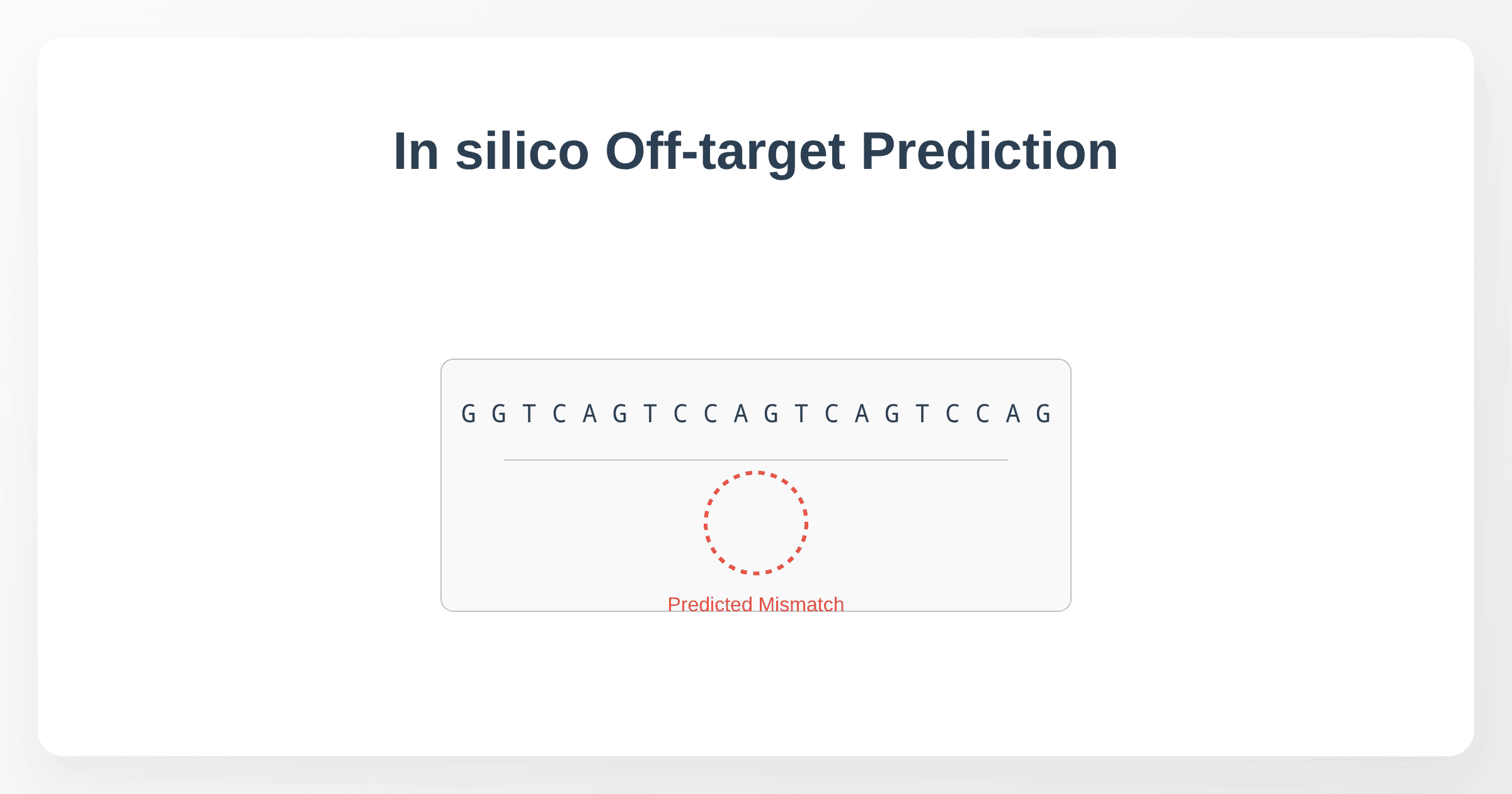
  • In silico off-target prediction: how the algorithms work and which tools to trust
    Published on
    April 9, 2026

    In silico off-target prediction: how the algorithms work and which tools to trust

    crispr-seriescrisprgene-editingintermediatetool-review
    Choosing a guide RNA that cuts your target is only half the battle. You also need one that doesn’t cut anywhere else. This post breaks down the MIT and CFD scoring systems, how off-target algorithms actually work, and which tools are best for predicting Cas9 and Cas12a off-targets.
1 of 3Next
mailMail
Support us on Ko-fi
BioTech Bench
•
© 2026
About & Editorial Standards·Resources·Sponsor·Privacy Policy
Made with ❤️love and ☕