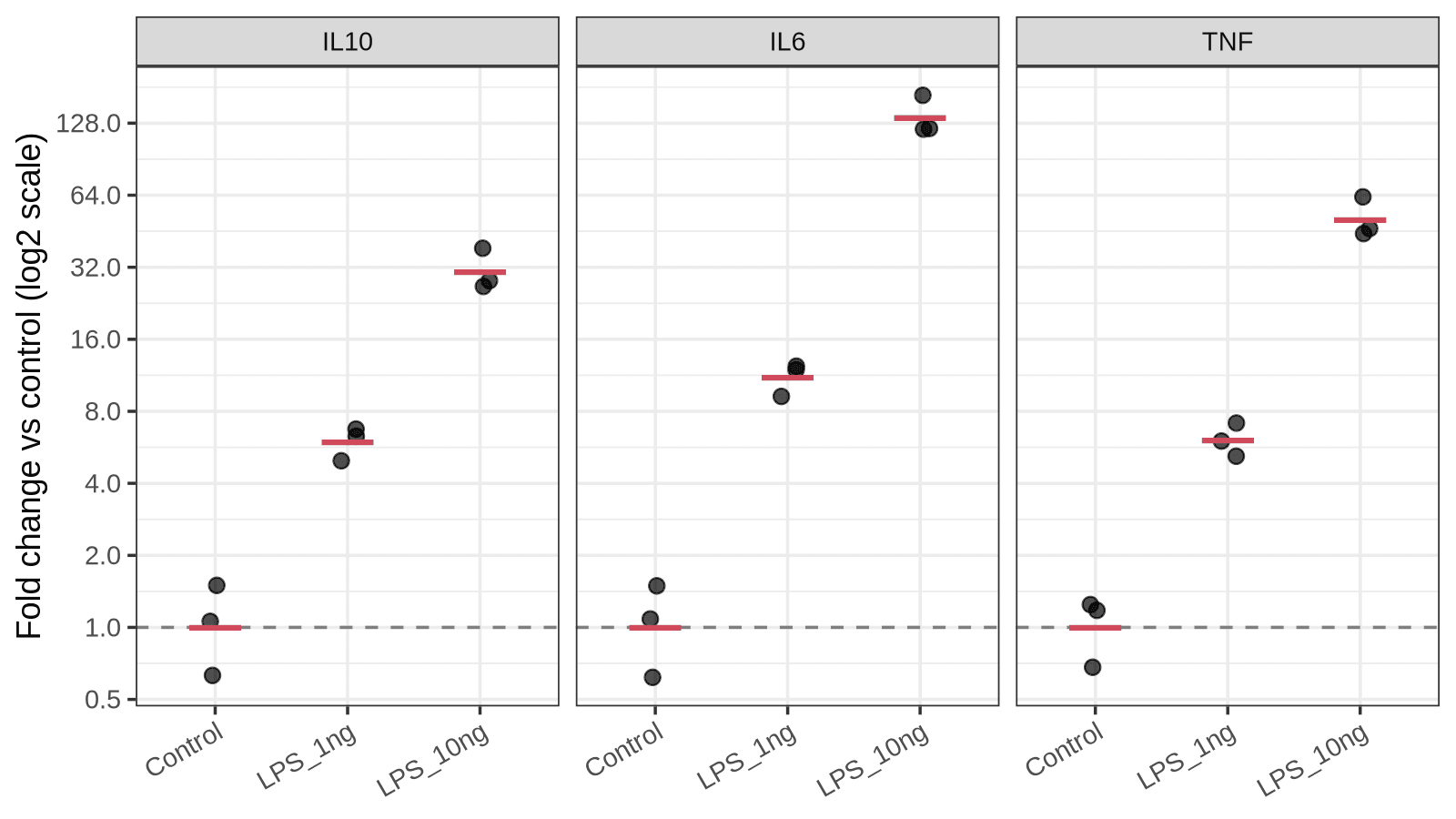
Your qPCR run is done and you have a column of Ct values. Here is how to turn them into fold changes with the ΔΔCt method, worked by hand, in a spreadsheet and in R, plus the mistakes that get qPCR figures sent back by reviewers.
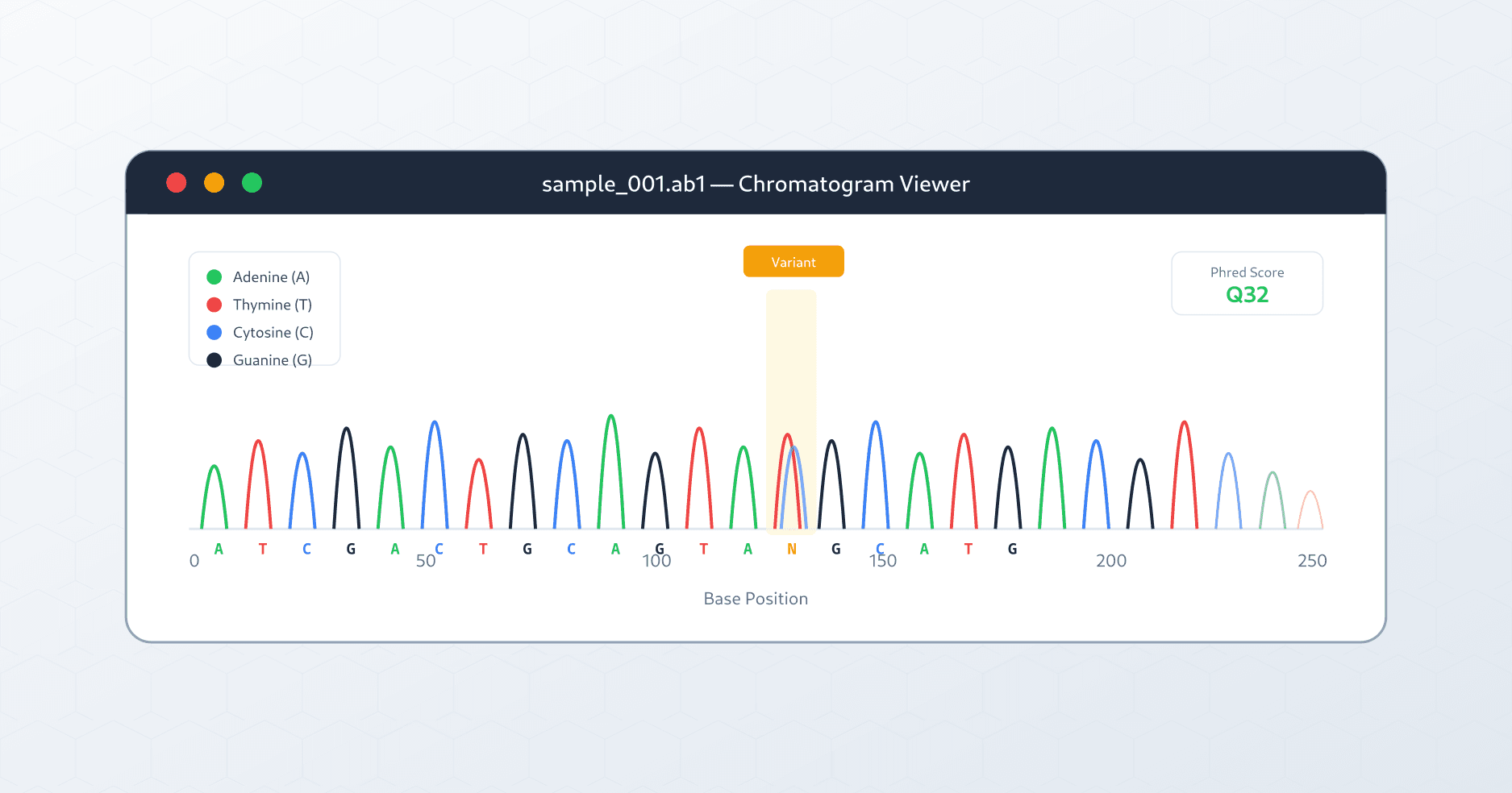
A five-person molecular biology lab easily spends $6,000 a year on per-seat subscriptions for Prism, SnapGene, FlowJo, and BioRender. I tested the free, open-source replacements on real bench data — from 4PL IC50 curves and diagnostic digests to FCS gating — and looked honestly at where the free stack wins and where it still hurts.
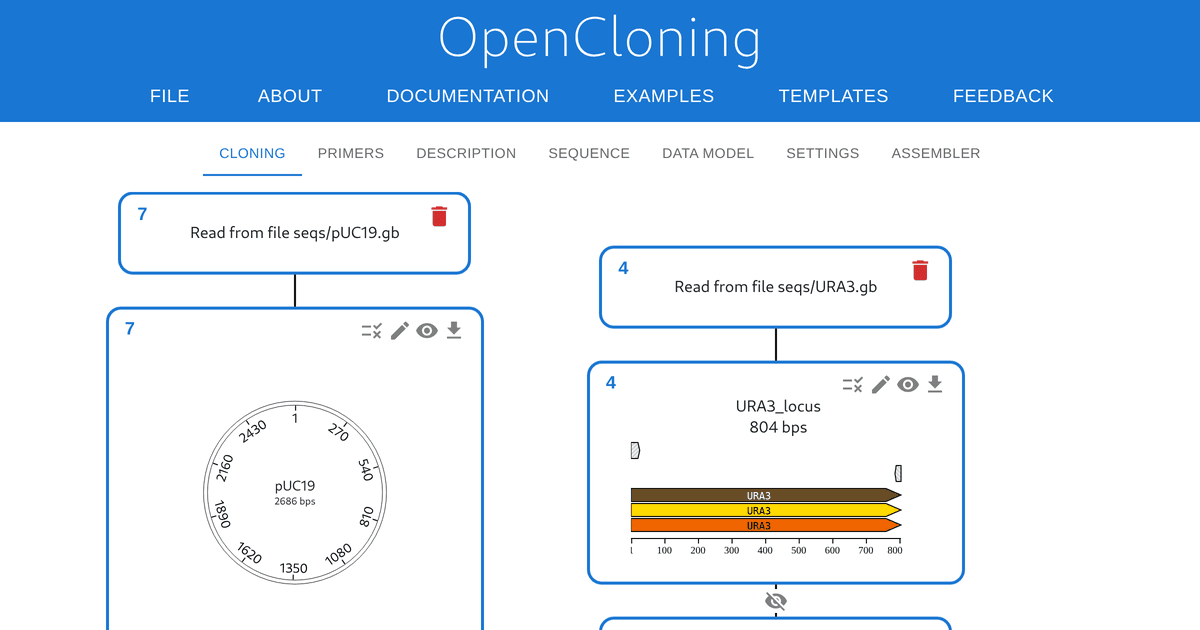
A free, MIT-licensed web app that treats your cloning history — not just the final map — as the thing worth saving. I ran it self-hosted, cloned URA3 into pUC19 from a Python script, and looked hard at where it falls short of SnapGene and Benchling.
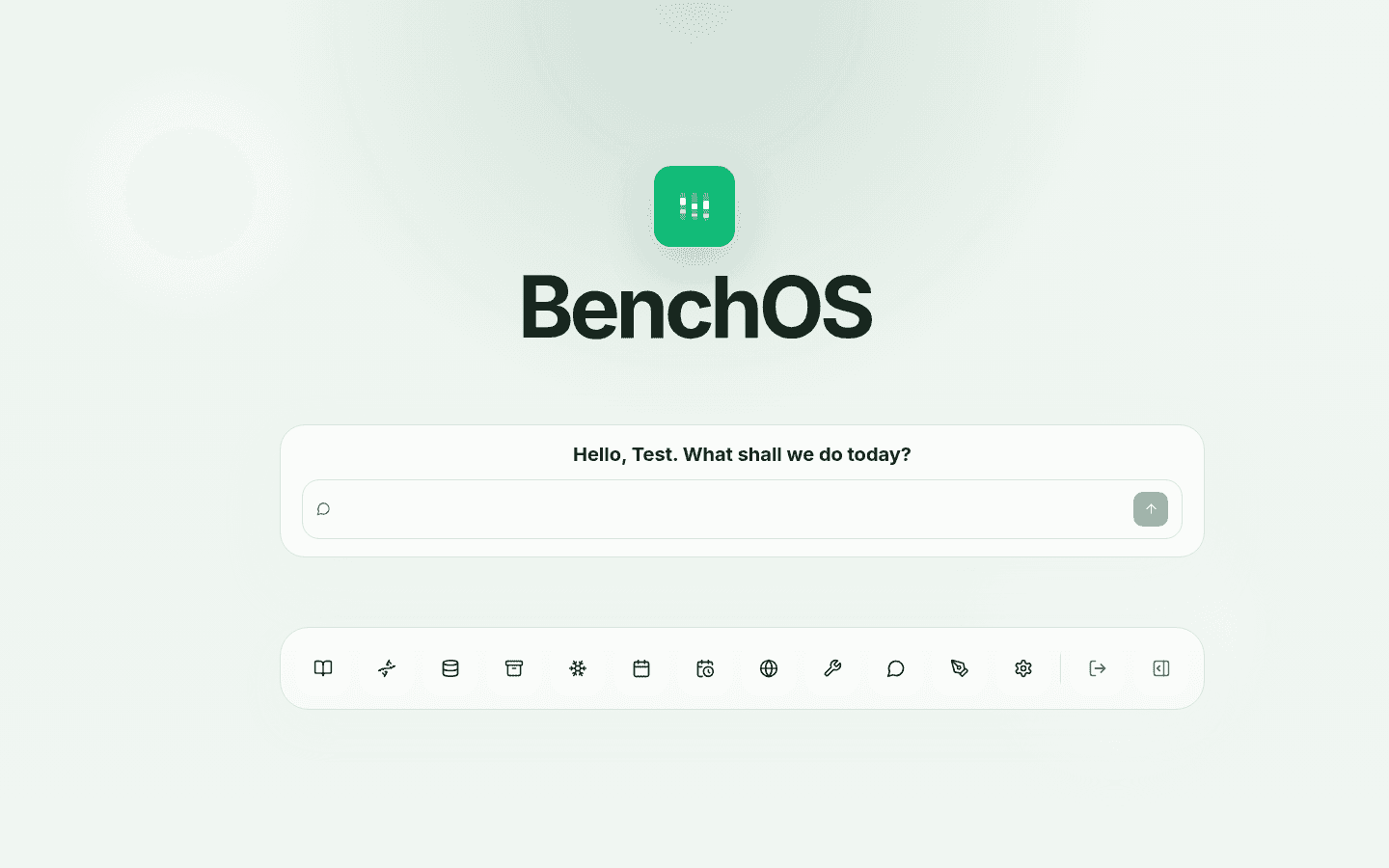
A Harvard structural biology lab just open-sourced the software it runs its own bench on — notebook, registry, cryo-EM grid tracking, and an AI agent, all self-hosted under AGPL. I installed it and ran it. Here is what actually works, and what you should know before trusting it with your lab records.