BioTech Bench
HomeLearning PathsCategoriesResourcesShopAbout

Crispr-series

Browse by topic
  • bioinformatics (33)
  • how-to (27)
  • r (20)
  • crispr (19)
  • r-series (18)
  • gene-editing (16)
  • beginner (15)
  • crispr-series (14)
  • tool-review (12)
  • intermediate (10)
  • rna-seq (10)
  • molecular-biology (7)
  • ai (4)
  • explainer (4)
  • free-tools (4)
  • learning (4)
  • sequencing (3)
  • protein-design (2)
  • trends (2)
  • ngs (2)
  • open-source (2)
  • python (2)
  • statistics (2)
  • pcr (2)
  • esm3 (1)
  • alphafold3 (1)
  • protein-structure (1)
  • bash (1)
  • command-line (1)
  • lab-software (1)
  • scientific-illustration (1)
  • conda (1)
  • synthetic-biology (1)
  • bioelectronics (1)
  • nanotechnology (1)
  • off-target (1)
  • reviewing (1)
  • bench-biologist (1)
  • nanopore (1)
  • pacbio (1)
  • cloning (1)
  • drug-discovery (1)
  • career (1)
  • biology (1)
All Posts
  • bioinformatics (33)
  • how-to (27)
  • r (20)
  • crispr (19)
  • r-series (18)
  • gene-editing (16)
  • beginner (15)
  • crispr-series (14)
  • tool-review (12)
  • intermediate (10)
  • rna-seq (10)
  • molecular-biology (7)
  • ai (4)
  • explainer (4)
  • free-tools (4)
  • learning (4)
  • sequencing (3)
  • protein-design (2)
  • trends (2)
  • ngs (2)
  • open-source (2)
  • python (2)
  • statistics (2)
  • pcr (2)
  • esm3 (1)
  • alphafold3 (1)
  • protein-structure (1)
  • bash (1)
  • command-line (1)
  • lab-software (1)
  • scientific-illustration (1)
  • conda (1)
  • synthetic-biology (1)
  • bioelectronics (1)
  • nanotechnology (1)
  • off-target (1)
  • reviewing (1)
  • bench-biologist (1)
  • nanopore (1)
  • pacbio (1)
  • cloning (1)
  • drug-discovery (1)
  • career (1)
  • biology (1)
  • In silico off-target prediction: how the algorithms work and which tools to trust
    Published on
    April 9, 2026

    In silico off-target prediction: how the algorithms work and which tools to trust

    crispr-seriescrisprgene-editingintermediatetool-review
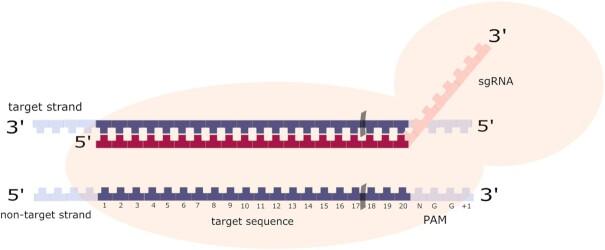
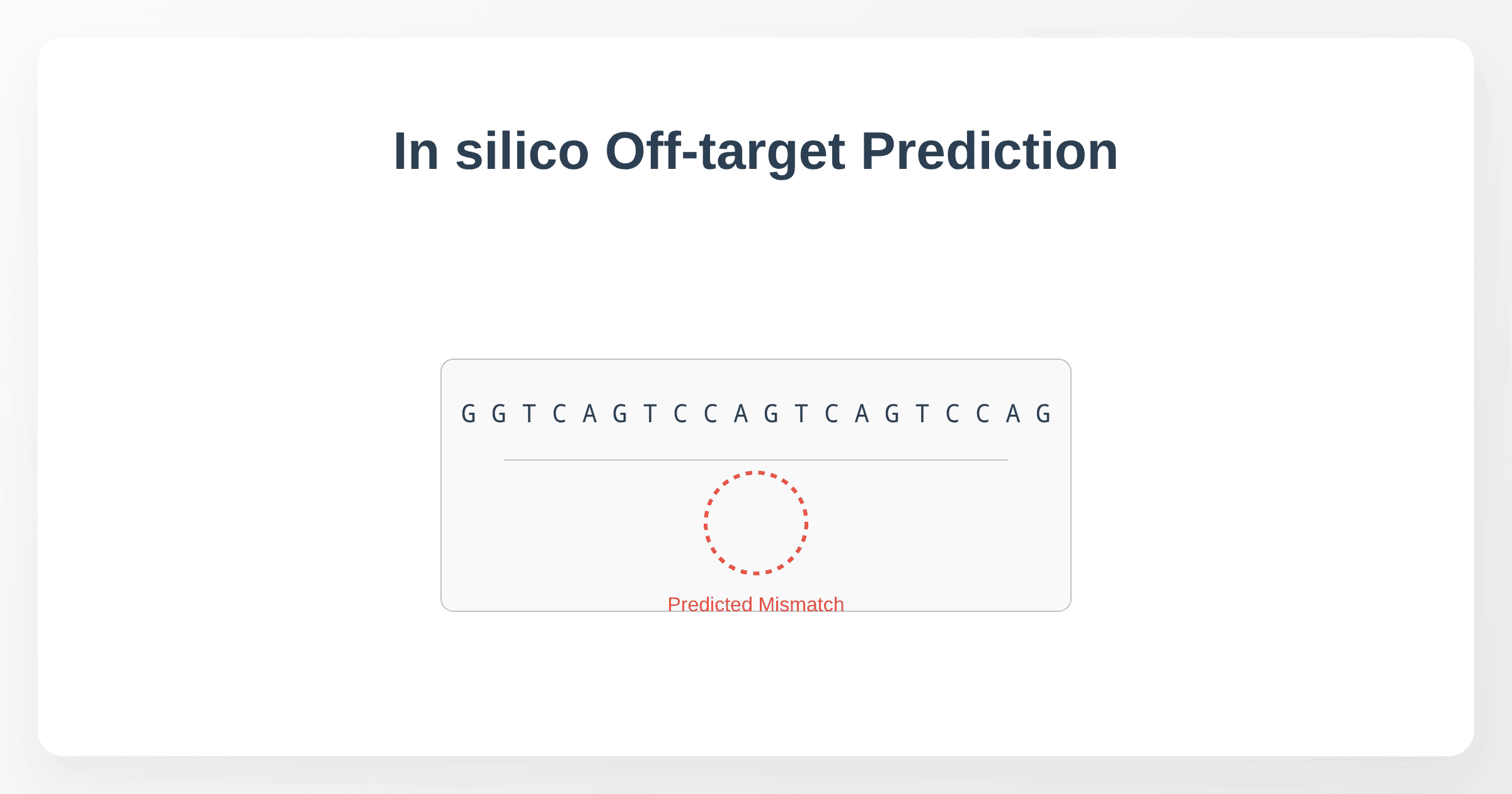
    Choosing a guide RNA that cuts your target is only half the battle. You also need one that doesn’t cut anywhere else. This post breaks down the MIT and CFD scoring systems, how off-target algorithms actually work, and which tools are best for predicting Cas9 and Cas12a off-targets.
  • Designing pegRNAs for prime editing: principles and tools
    Published on
    April 2, 2026

    Designing pegRNAs for prime editing: principles and tools

    crispr-seriescrisprgene-editingintermediatetool-review
    pegRNA design has five parameters that each affect prime editing efficiency. Here are the principles behind PBS length, RT template, nick distance, and secondary structure — then how to apply them in PrimeDesign.
  • Designing gRNAs for base editing: hitting the right editing window
    Published on
    March 26, 2026

    Designing gRNAs for base editing: hitting the right editing window

    crispr-seriescrisprgene-editingintermediate
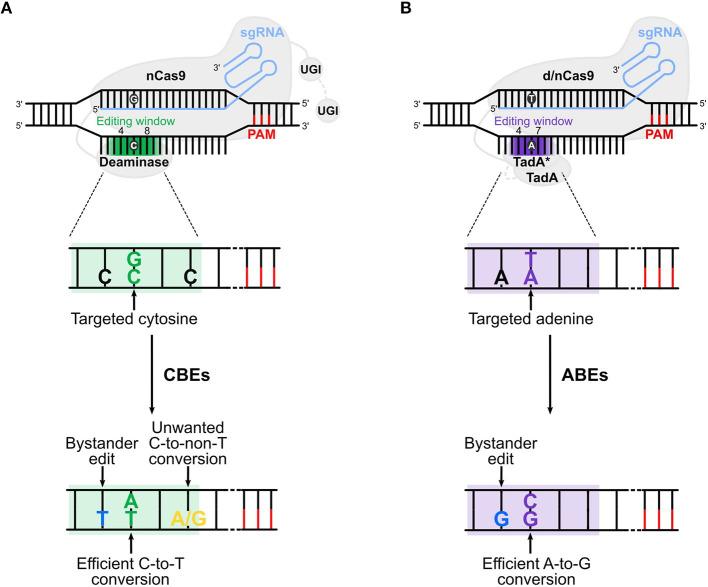
    A guide RNA score is only useful if your target base lands in the editing window. This post covers how to count protospacer positions, use BE-Designer for CBE and ABE guide design, manage bystander edits, and handle PAM constraints — with worked examples for both editor types.
  • What makes a good gRNA: Cas9 and Cas12a guide design principles
    Published on
    March 19, 2026

    What makes a good gRNA: Cas9 and Cas12a guide design principles

    crispr-seriescrisprgene-editingintermediate
    A guide RNA score is only useful if you know what it measures. This post covers the sequence rules that determine Cas9 guide efficiency, how on-target scoring algorithms work and what they were trained on, off-target risk metrics, how to read CRISPOR output, and what changes when designing for Cas12a.
  • Prime editing: how it works and when to use it over Cas9
    Published on
    March 12, 2026

    Prime editing: how it works and when to use it over Cas9

    crispr-seriescrisprgene-editingintermediate
    Prime editing writes any small edit directly into your genome — transversions, insertions, deletions — without cutting both DNA strands. This post covers the mechanism, PE2/PE3/PE7 variants, and when to choose prime editing over base editing or HDR.
Previous2 of 3Next
mailMail
Support us on Ko-fi
BioTech Bench
•
© 2026
About & Editorial Standards·Resources·Sponsor·Privacy Policy
Made with ❤️love and ☕