BioTech Bench
HomeLearning PathsCategoriesResourcesShopAbout

Crispr-series

Browse by topic
  • bioinformatics (33)
  • how-to (27)
  • r (20)
  • crispr (19)
  • r-series (18)
  • gene-editing (16)
  • beginner (15)
  • crispr-series (14)
  • tool-review (12)
  • intermediate (10)
  • rna-seq (10)
  • molecular-biology (7)
  • ai (4)
  • explainer (4)
  • free-tools (4)
  • learning (4)
  • sequencing (3)
  • protein-design (2)
  • trends (2)
  • ngs (2)
  • open-source (2)
  • python (2)
  • statistics (2)
  • pcr (2)
  • esm3 (1)
  • alphafold3 (1)
  • protein-structure (1)
  • bash (1)
  • command-line (1)
  • lab-software (1)
  • scientific-illustration (1)
  • conda (1)
  • synthetic-biology (1)
  • bioelectronics (1)
  • nanotechnology (1)
  • off-target (1)
  • reviewing (1)
  • bench-biologist (1)
  • nanopore (1)
  • pacbio (1)
  • cloning (1)
  • drug-discovery (1)
  • career (1)
  • biology (1)
All Posts
  • bioinformatics (33)
  • how-to (27)
  • r (20)
  • crispr (19)
  • r-series (18)
  • gene-editing (16)
  • beginner (15)
  • crispr-series (14)
  • tool-review (12)
  • intermediate (10)
  • rna-seq (10)
  • molecular-biology (7)
  • ai (4)
  • explainer (4)
  • free-tools (4)
  • learning (4)
  • sequencing (3)
  • protein-design (2)
  • trends (2)
  • ngs (2)
  • open-source (2)
  • python (2)
  • statistics (2)
  • pcr (2)
  • esm3 (1)
  • alphafold3 (1)
  • protein-structure (1)
  • bash (1)
  • command-line (1)
  • lab-software (1)
  • scientific-illustration (1)
  • conda (1)
  • synthetic-biology (1)
  • bioelectronics (1)
  • nanotechnology (1)
  • off-target (1)
  • reviewing (1)
  • bench-biologist (1)
  • nanopore (1)
  • pacbio (1)
  • cloning (1)
  • drug-discovery (1)
  • career (1)
  • biology (1)
  • Base editing explained: making precise changes without cutting DNA
    Published on
    March 5, 2026

    Base editing explained: making precise changes without cutting DNA

    crispr-seriescrisprgene-editingintermediate
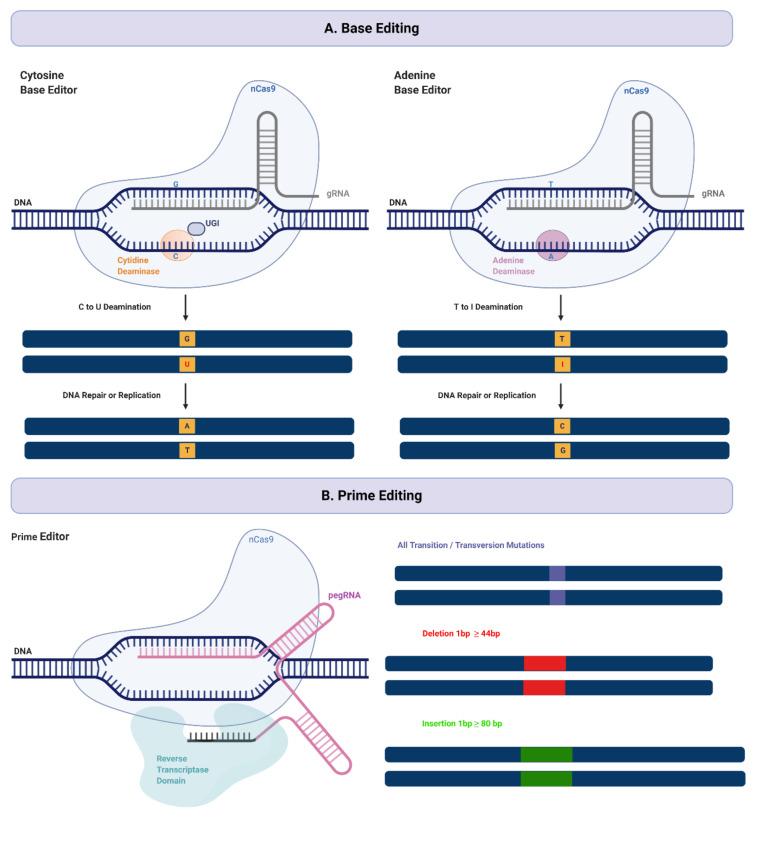
    Base editing converts a single nucleotide directly — no double-strand break, no donor template — with efficiencies that routinely outperform HDR in primary and non-dividing cells. This post covers how CBE and ABE work, the editing window, bystander edits, and when to choose base editing over Cas9+HDR or prime editing.
  • Cas12a (Cpf1) vs Cas9: which one should you use?
    Published on
    February 26, 2026

    Cas12a (Cpf1) vs Cas9: which one should you use?

    crispr-seriescrisprgene-editingintermediate
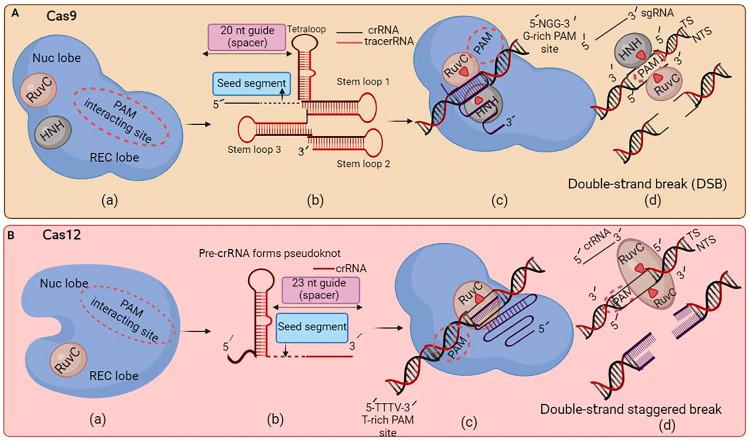
    SpCas9 dominates CRISPR, but it has real constraints. Cas12a uses a T-rich PAM, cuts in a staggered fashion, processes its own guide RNAs, and opens up AT-rich targets Cas9 cannot reach. This post covers the full Cas12 family, the Cas12a mechanism, and a complete head-to-head comparison to help you choose the right tool.
  • The complete CRISPR guide: from mechanism to NGS analysis
    Published on
    February 19, 2026

    The complete CRISPR guide: from mechanism to NGS analysis

    crispr-seriescrisprgene-editingbioinformaticslearning
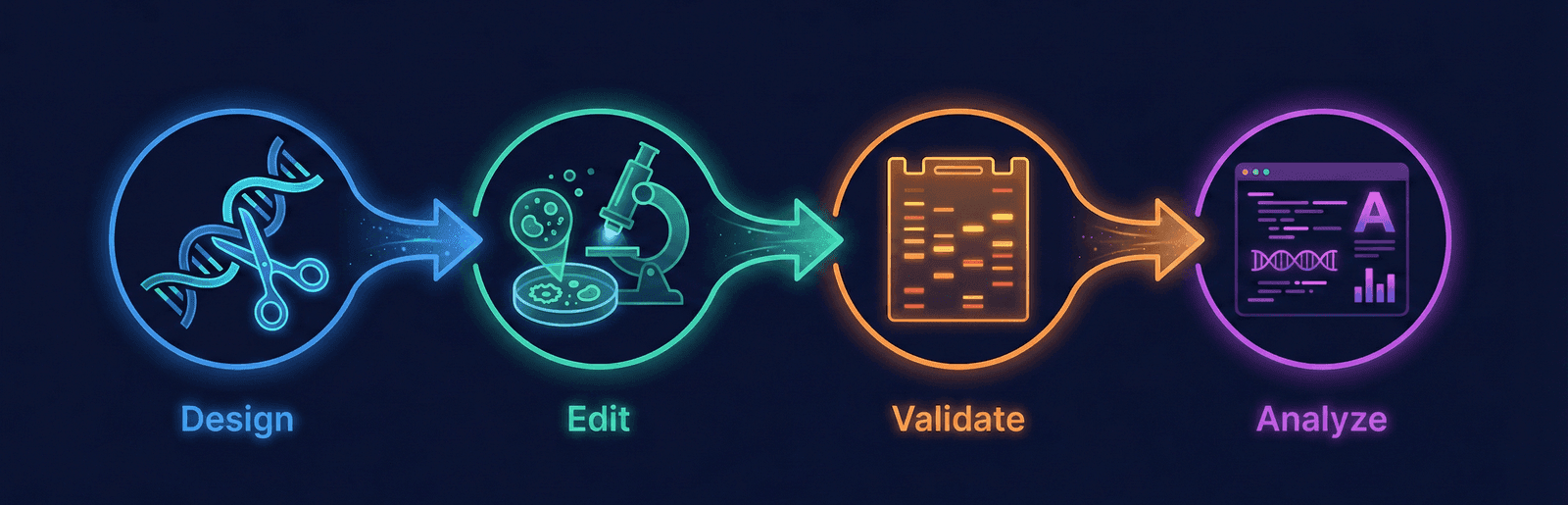
    If you know CRISPR exists but aren't sure how to design your experiment or analyze your data, this 22-post series takes you through the whole thing — from Cas9 mechanism to running NGS pipelines.
  • How CRISPR-Cas9 actually works: mechanism, PAM sites, and DNA repair
    Published on
    February 19, 2026

    How CRISPR-Cas9 actually works: mechanism, PAM sites, and DNA repair

    crispr-seriescrisprgene-editingbeginner
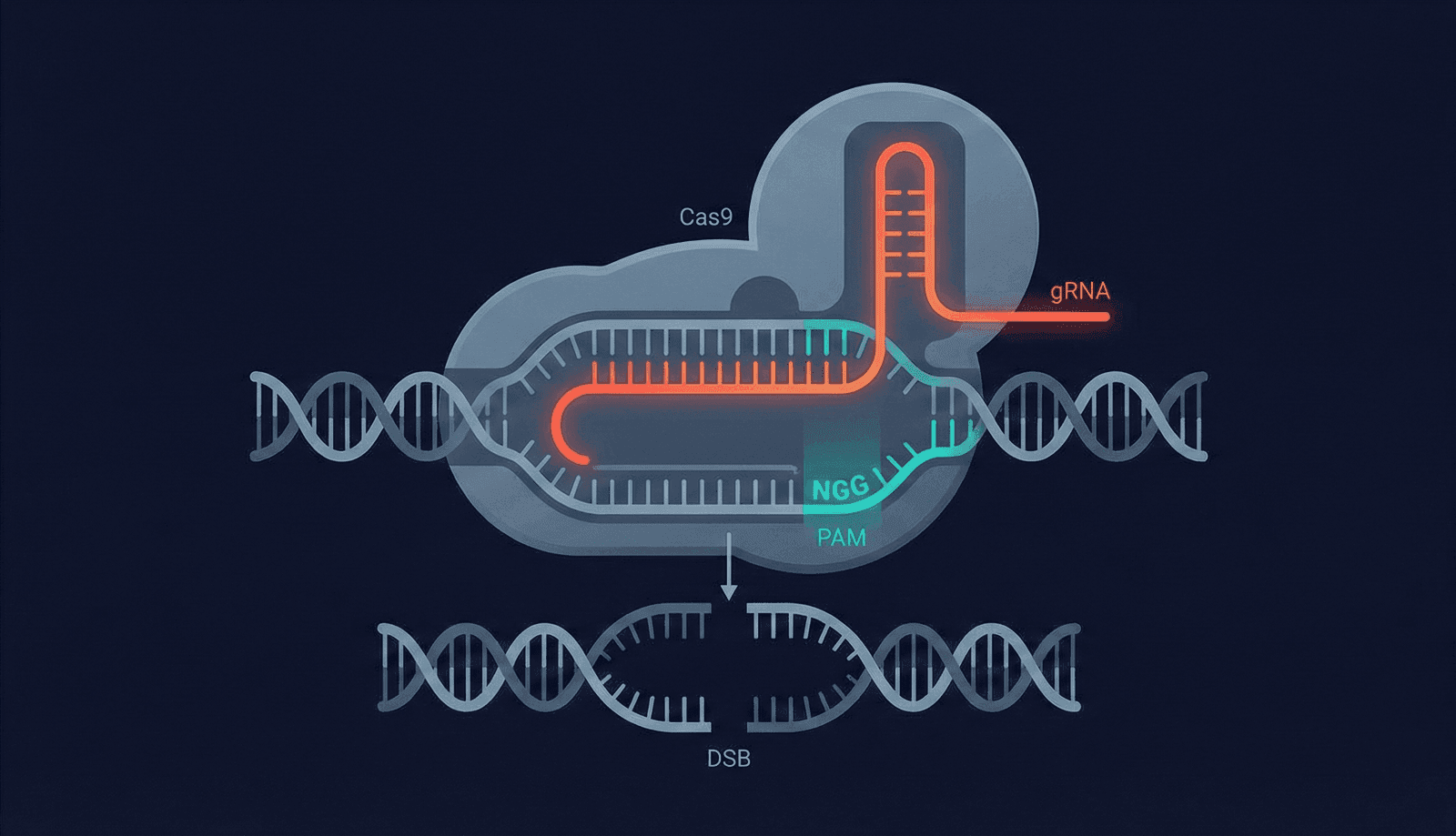
    Before you design your first CRISPR experiment, you need to understand what Cas9 is actually doing to your DNA — and what happens after the cut. This post covers the mechanism, PAM sites, and why repair pathway choice determines your experimental outcome.
Previous3 of 3
mailMail
Support us on Ko-fi
BioTech Bench
•
© 2026
About & Editorial Standards·Resources·Sponsor·Privacy Policy
Made with ❤️love and ☕