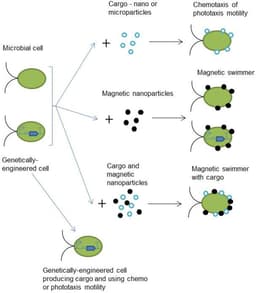
Scientists are building cells that interface with electronics, nanomaterials, and synthetic gene circuits. Here is what cyborg cells are, how they work, and why bench biologists are starting to encounter them.
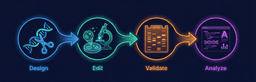
If you know CRISPR exists but aren't sure how to design your experiment or analyze your data, this 22-post series takes you through the whole thing — from Cas9 mechanism to running NGS pipelines.
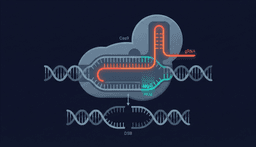
Before you design your first CRISPR experiment, you need to understand what Cas9 is actually doing to your DNA — and what happens after the cut. This post covers the mechanism, PAM sites, and why repair pathway choice determines your experimental outcome.
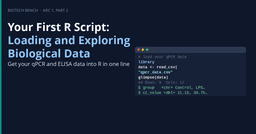
You installed R, opened it, and... now what? Here's how to actually load your lab data and start making sense of it — no prior coding experience needed.
A structured, 19-post series taking bench biologists from zero R experience to running a full RNA-seq pipeline. No computer science background needed — just curiosity and real lab data.