BioTech Bench
HomeLearning PathsCategoriesResourcesShopAbout

All Posts

Browse by topic
  • bioinformatics (33)
  • how-to (27)
  • r (20)
  • crispr (19)
  • r-series (18)
  • gene-editing (16)
  • beginner (15)
  • crispr-series (14)
  • tool-review (12)
  • intermediate (10)
  • rna-seq (10)
  • molecular-biology (7)
  • ai (4)
  • explainer (4)
  • free-tools (4)
  • learning (4)
  • sequencing (3)
  • protein-design (2)
  • trends (2)
  • ngs (2)
  • open-source (2)
  • python (2)
  • statistics (2)
  • pcr (2)
  • esm3 (1)
  • alphafold3 (1)
  • protein-structure (1)
  • bash (1)
  • command-line (1)
  • lab-software (1)
  • scientific-illustration (1)
  • conda (1)
  • synthetic-biology (1)
  • bioelectronics (1)
  • nanotechnology (1)
  • off-target (1)
  • reviewing (1)
  • bench-biologist (1)
  • nanopore (1)
  • pacbio (1)
  • cloning (1)
  • drug-discovery (1)
  • career (1)
  • biology (1)

All Posts

  • bioinformatics (33)
  • how-to (27)
  • r (20)
  • crispr (19)
  • r-series (18)
  • gene-editing (16)
  • beginner (15)
  • crispr-series (14)
  • tool-review (12)
  • intermediate (10)
  • rna-seq (10)
  • molecular-biology (7)
  • ai (4)
  • explainer (4)
  • free-tools (4)
  • learning (4)
  • sequencing (3)
  • protein-design (2)
  • trends (2)
  • ngs (2)
  • open-source (2)
  • python (2)
  • statistics (2)
  • pcr (2)
  • esm3 (1)
  • alphafold3 (1)
  • protein-structure (1)
  • bash (1)
  • command-line (1)
  • lab-software (1)
  • scientific-illustration (1)
  • conda (1)
  • synthetic-biology (1)
  • bioelectronics (1)
  • nanotechnology (1)
  • off-target (1)
  • reviewing (1)
  • bench-biologist (1)
  • nanopore (1)
  • pacbio (1)
  • cloning (1)
  • drug-discovery (1)
  • career (1)
  • biology (1)
  • Choosing your CRISPR system and designing validated guides: an end-to-end walkthrough
    Published on
    April 16, 2026

    Choosing your CRISPR system and designing validated guides: an end-to-end walkthrough

    crispr-seriescrisprgene-editingintermediatehow-to
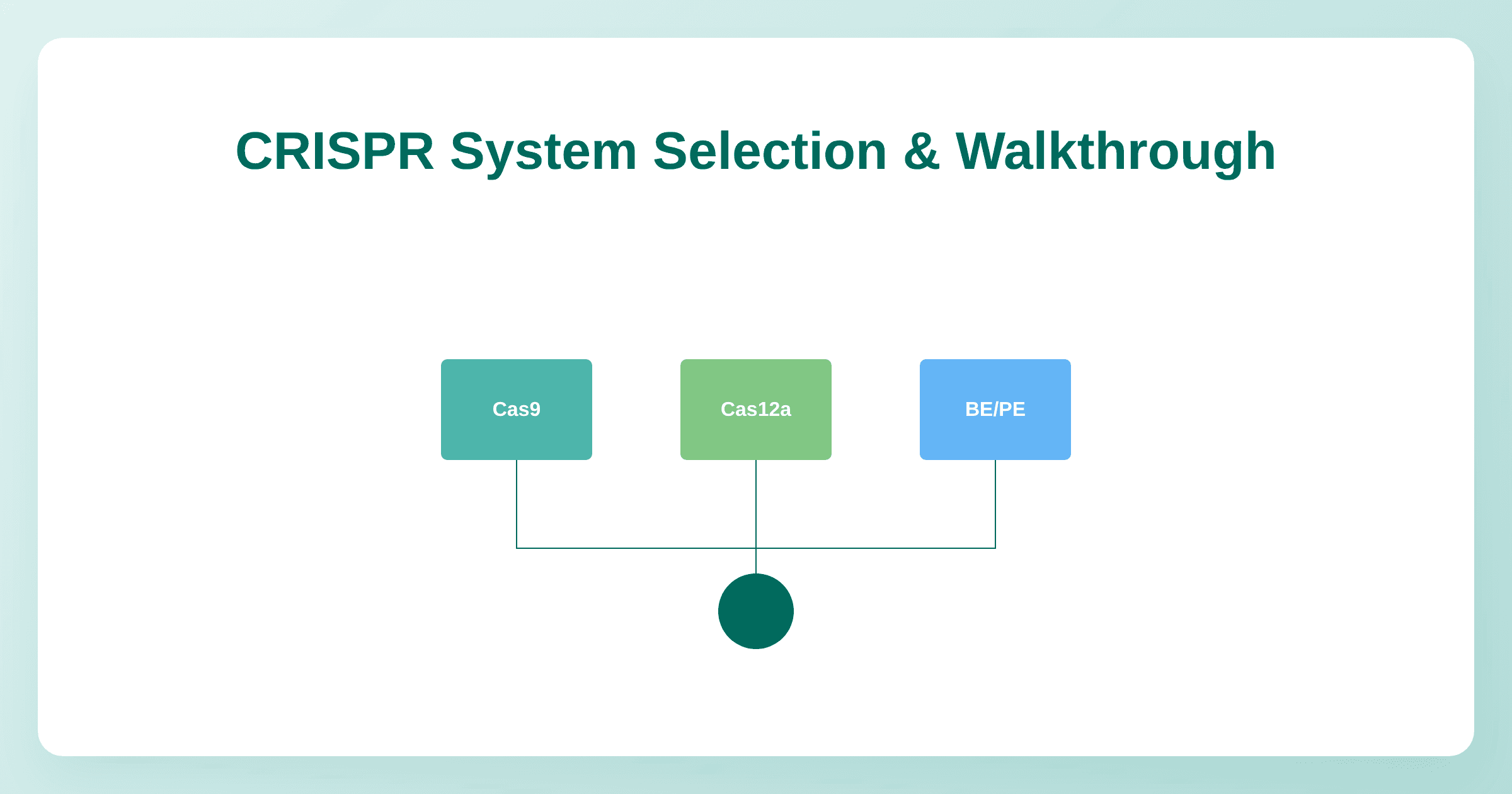
    You have a gene to edit. Should you use Cas9, Cas12a, or a Base Editor? This capstone post walks you through the entire workflow—from choosing the right molecular "scissors" for your target to designing and validating your final guides.
  • Multiple testing correction in R: what p.adjust is really doing to your p-values
    Published on
    April 14, 2026

    Multiple testing correction in R: what p.adjust is really doing to your p-values

    how-toRbioinformaticsr-seriesstatistics
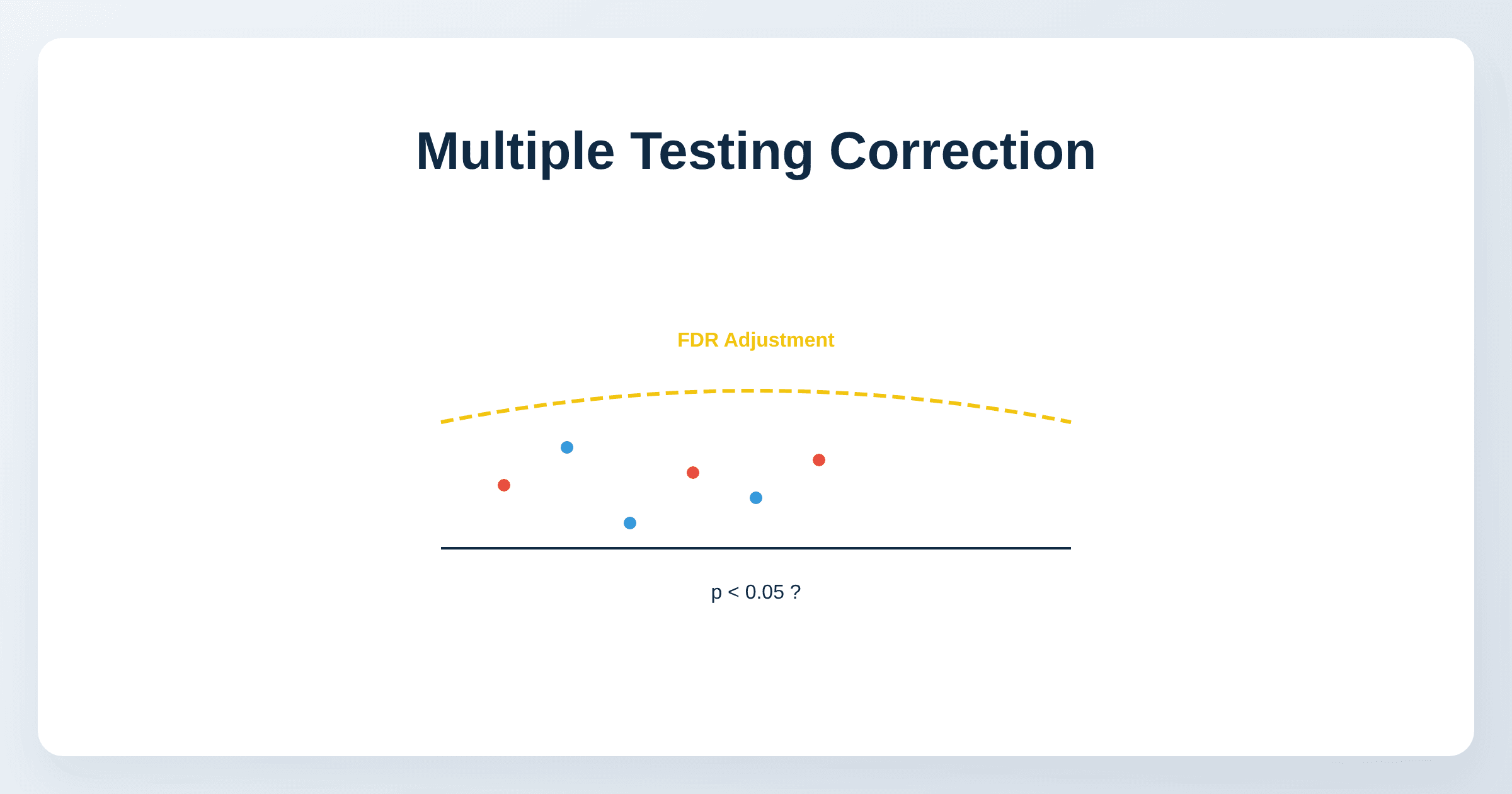
    If you test 20,000 genes at once, you’ll get 1,000 "significant" results by chance alone. This post explains the Multiple Testing Problem and how to use the p.adjust() function in R to calculate False Discovery Rates (FDR) and protect your results.
  • In silico off-target prediction: how the algorithms work and which tools to trust
    Published on
    April 9, 2026

    In silico off-target prediction: how the algorithms work and which tools to trust

    crispr-seriescrisprgene-editingintermediatetool-review
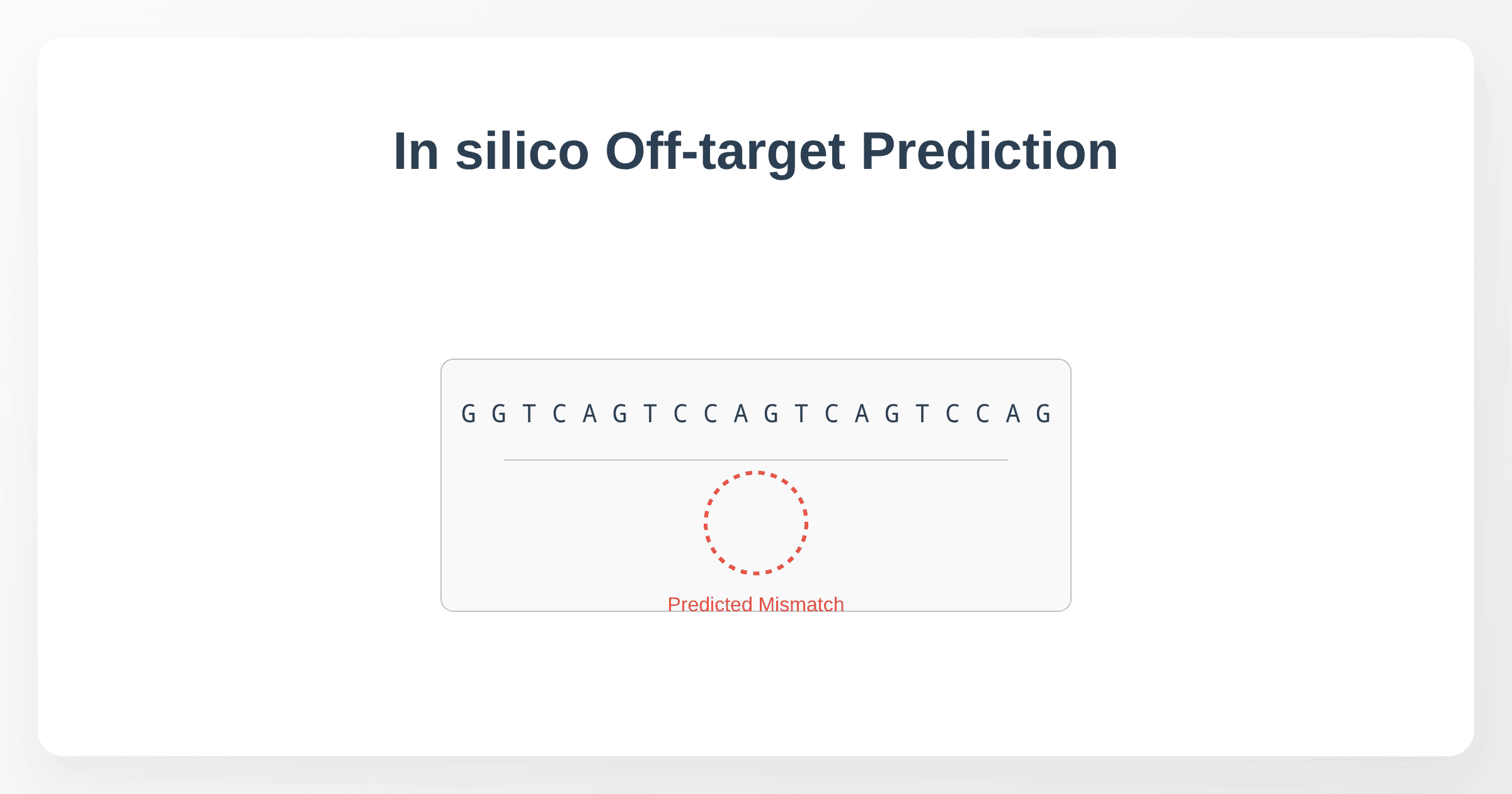
    Choosing a guide RNA that cuts your target is only half the battle. You also need one that doesn’t cut anywhere else. This post breaks down the MIT and CFD scoring systems, how off-target algorithms actually work, and which tools are best for predicting Cas9 and Cas12a off-targets.
  • How to make a gene expression heatmap in R (that actually looks good)
    Published on
    April 7, 2026

    How to make a gene expression heatmap in R (that actually looks good)

    how-toRbioinformaticsr-seriesrna-seq
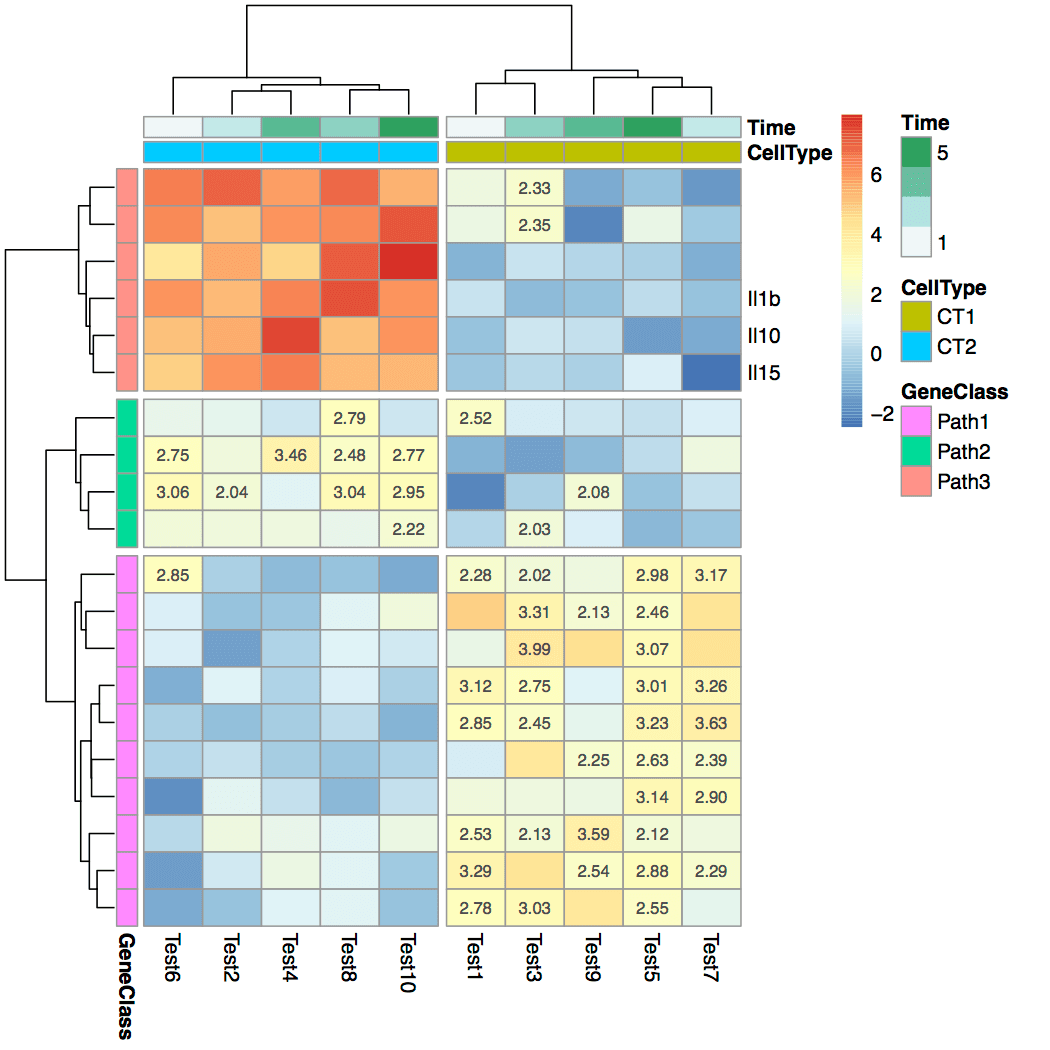
    A table of log2 CPM values is hard to read. A heatmap fixes that — but the defaults are ugly. Here is how to build a publication-ready gene expression heatmap in R with pheatmap, including clustering, color palettes, and sample annotations.
  • Designing pegRNAs for prime editing: principles and tools
    Published on
    April 2, 2026

    Designing pegRNAs for prime editing: principles and tools

    crispr-seriescrisprgene-editingintermediatetool-review
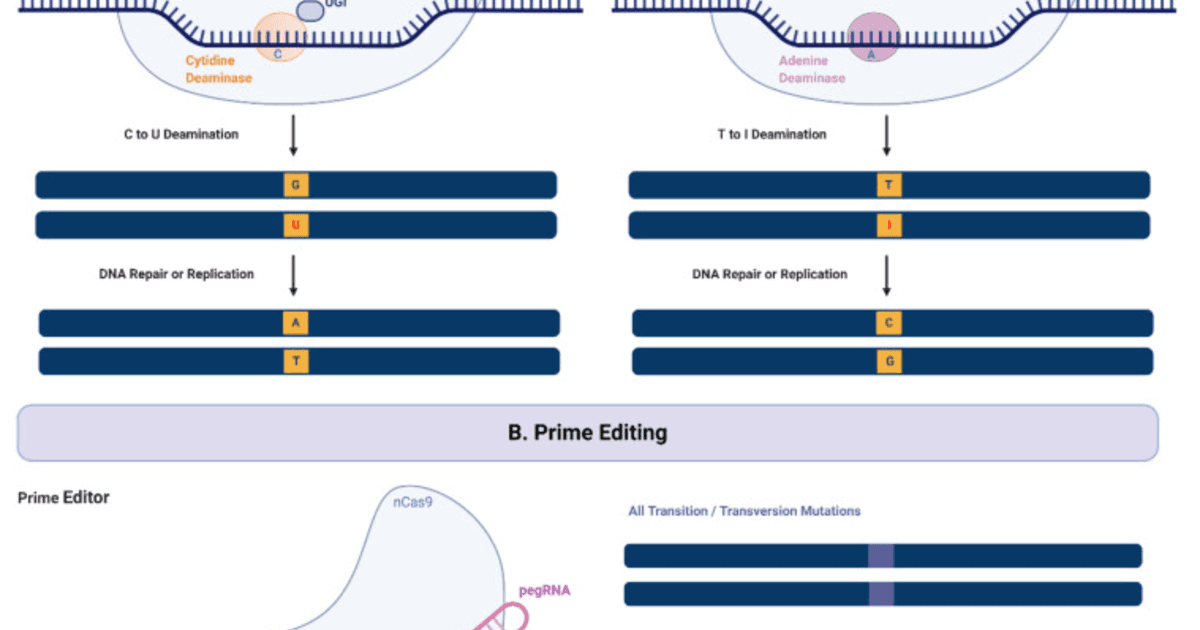
    pegRNA design has five parameters that each affect prime editing efficiency. Here are the principles behind PBS length, RT template, nick distance, and secondary structure — then how to apply them in PrimeDesign.
Previous6 of 11Next
mailMail
Support us on Ko-fi
BioTech Bench
•
© 2026
About & Editorial Standards·Resources·Sponsor·Privacy Policy
Made with ❤️love and ☕